Summary SMEDA, in collaboration with the SBP and provincial stakeholders, is leading nationwide consultations to expand SME financing, aiming to replicate successful models
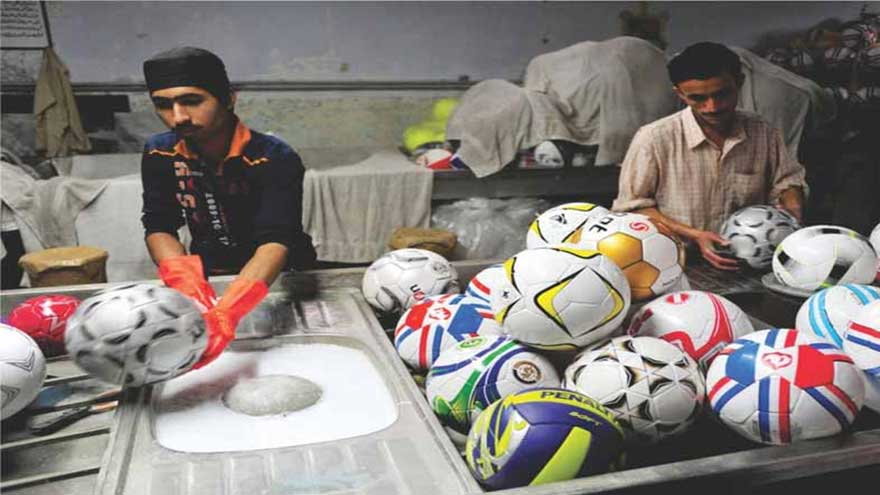
LAHORE (Dunya News) – The Small and Medium Enterprises Development Authority (SMEDA) has intensified efforts to enhance access to finance for small and medium enterprises (SMEs) across Pakistan, particularly in underserved regions.
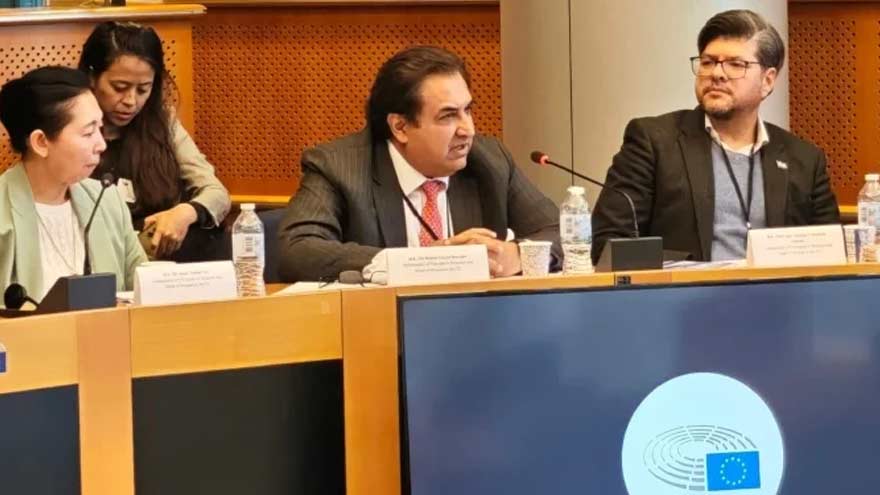
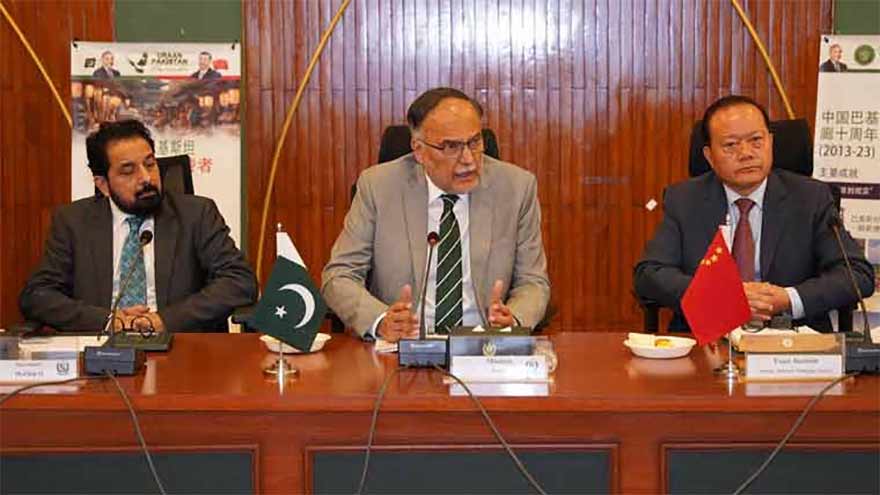
In collaboration with the State Bank of Pakistan (SBP) and provincial stakeholders, SMEDA held a series of high-level consultations covering Sindh, Khyber Pakhtunkhwa, Balochistan, Azad Jammu & Kashmir, and Gilgit-Baltistan to advance SME financing initiatives.
SMEDA Chief Executive Officer Nadia Jahangir Seth said the meetings were conducted on the directions of Special Assistant to the Prime Minister for Industries and Production Haroon Akhtar Khan. The aim was to gather insights from regional institutions and support the development of tailored SME financing programmes, drawing on Punjab’s successful model.
The initiative follows directives from Shehbaz Sharif, who has emphasised the need to expand credit access for SMEs nationwide as part of broader economic growth efforts.
Officials highlighted the success of Punjab’s “Asaan Karobar Finance Scheme”, implemented through the Bank of Punjab, under which Rs100 billion has been disbursed to over 110,000 entrepreneurs within a year, with nearly half of beneficiaries belonging to low-income groups.
During the sessions, SBP representatives presented regional data on SME financing. Khyber Pakhtunkhwa currently has financing of Rs30.48 billion for over 9,500 borrowers, while Balochistan accounts for Rs7.19 billion across 2,412 borrowers. Gilgit-Baltistan and AJ&K recorded Rs3.96 billion and Rs5.48 billion respectively.
Participants also reviewed progress in Sindh, noting the performance of the Sindh Enterprise Development Fund, which has supported over 250 projects and issued around 10,000 microloans with zero non-performing loans over the past 15 years.
Despite progress, stakeholders identified key challenges including declining borrower numbers in some regions, geographic disparities, and limited digital and financial literacy. They stressed the importance of customised financing solutions and stronger provincial ownership.
SBP officials noted that revised prudential regulations now allow clean lending of up to Rs50 million, making it easier for SMEs to access financing.
The consultations concluded with a joint commitment from stakeholders—including financial institutions, provincial governments, and business organisations—to develop innovative programmes aimed at strengthening SME financing and supporting sustainable economic growth.