Summary Oil prices rose as uncertainty over U.S.-Iran talks and continued Strait of Hormuz disruptions fueled fears of prolonged Middle East supply shortages despite weekly losses
TOKYO (Reuters) - Oil prices climbed on Friday as investors doubted the prospects of a breakthrough in U.S.-Iran peace talks, with the two sides still at loggerheads on Tehran's uranium stockpile and controls on the Strait of Hormuz. The market, however, remained headed for a weekly loss.
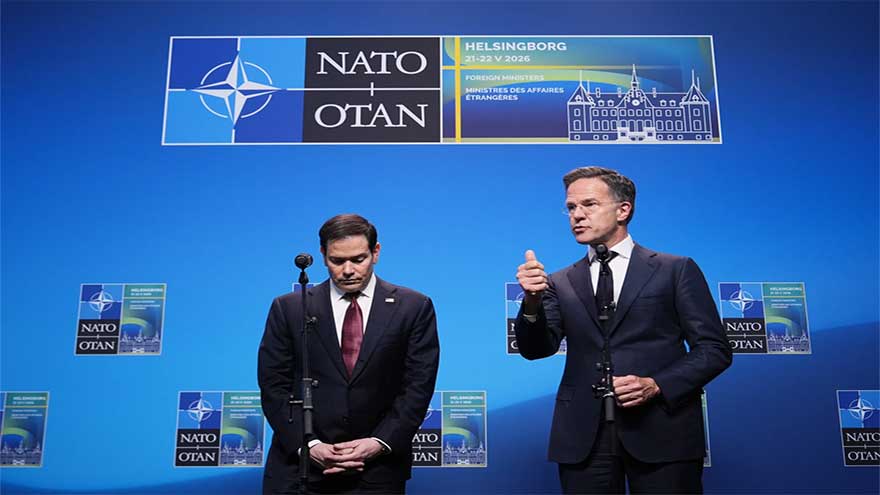
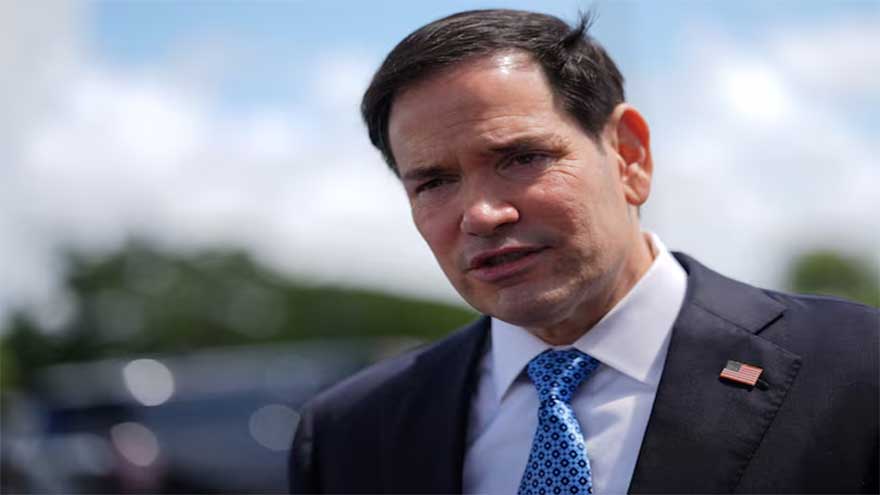
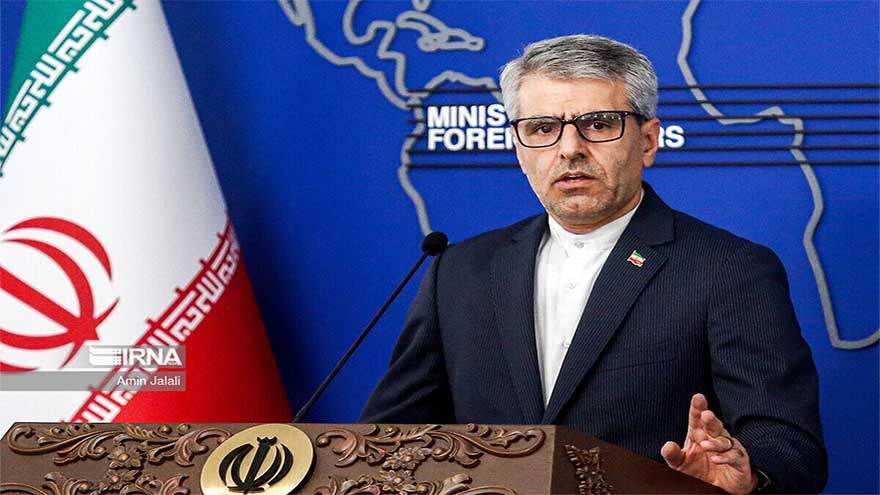
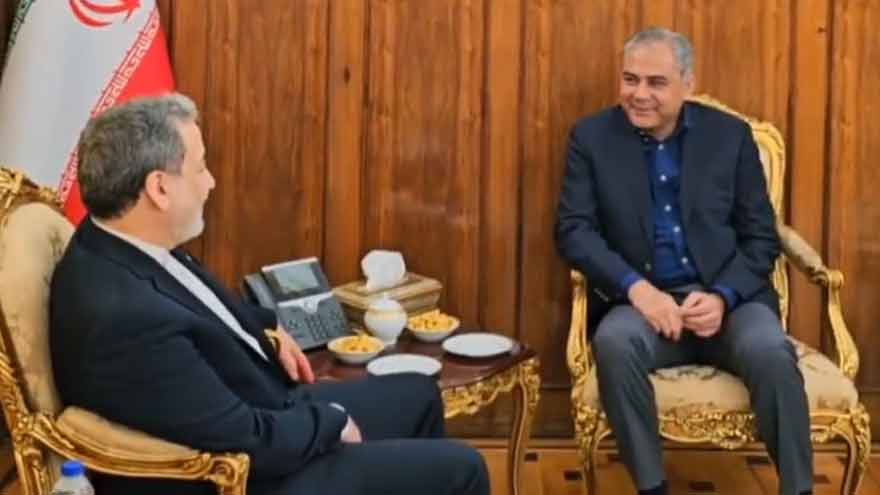
A senior Iranian source told Reuters no deal has been reached with the U.S. but the gaps have narrowed, while U.S. Secretary of State Marco Rubio said there had been "some good signs" in talks but any toll system in the strait would be unacceptable.
Brent crude futures rose $2.38, or 2.3%, to $104.96 a barrel by 0034 GMT, and U.S. West Texas Intermediate futures were up $1.73, or 1.8%, at $98.08.
Both benchmarks declined about 2% on Thursday to their lowest closes in nearly two weeks.
"With the outlook for peace talks still uncertain, oil prices are rising on expectations that Middle East instability and supply disruptions linked to the Strait of Hormuz will persist," said Satoru Yoshida, a commodity analyst with Rakuten Securities.
"WTI is likely to remain in a $90–$110 range next week, as it has largely done since late March," he added.
Six weeks since a fragile ceasefire took effect, efforts to end the war have shown little progress, while elevated oil prices have fuelled concern over inflation and the global economy.
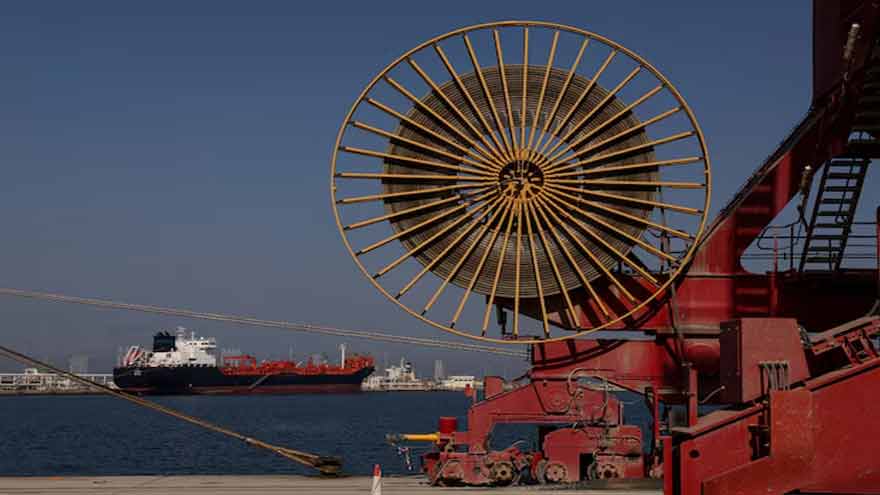
Around 20% of global energy supplies transited the Strait before the war, which has removed 14 million barrels per day of oil - or 14% of global supply - from the market, including exports from Saudi Arabia, Iraq, the United Arab Emirates and Kuwait.
Full oil flows through the Strait will not return before the first or second quarter of 2027, even if the conflict ended now, the head of the UAE's state oil firm ADNOC said.
Seven leading OPEC+ oil-producing countries will likely agree to a modest hike to July output when they meet on June 7, four sources said, though delivery for several remains disrupted by the Iran war.