Summary Lawmakers question fairness and impact on middle-class citizens
ISLAMABAD (Dunya News) – The National Assembly’s Standing Committee on Finance has approved an increase in vehicle token tax rates in Islamabad, marking a significant revision after several years of unchanged charges.
Officials informed the committee that token tax rates in the federal capital had not been revised since 2019, while other provinces had already implemented upward adjustments in recent years.
According to the Deputy Commissioner of Islamabad Capital Territory, the revised structure aims to align the federal capital’s taxation framework with prevailing provincial rates and improve revenue generation from vehicle registrations.
Under the updated proposals, vehicles up to 1000cc will continue to be subject to a one-time fixed token tax of Rs10,000. For vehicles manufactured before 2010, the token tax has been proposed at Rs20,000, reflecting a higher charge for older models.
For vehicles in the 1000cc to 1300cc category, the tax rate based on invoice value currently stands at 0.3 per cent. Lawmakers were informed that this rate is being proposed for reduction to 0.25 per cent as part of the revised framework.
Officials further stated that vehicles manufactured after 2010 will now attract a token tax of Rs6,200, a sharp increase compared with the previous rate of Rs1,500. It was highlighted during the briefing that a vehicle valued at Rs2 million would incur a token tax of Rs6,200 under the new system.
REVENUE EXPECTATIONS
The committee was told that Islamabad currently generates approximately Rs3.9 billion annually through vehicle token tax collection. With the proposed revision, this figure is expected to rise to around Rs5.2 billion, reflecting the anticipated impact of the updated tax structure on overall revenue intake.
Authorities emphasised that the revision is intended to strengthen fiscal capacity and ensure consistency with broader taxation trends across Pakistan’s provinces.
PARLIAMENTARY CONCERNS
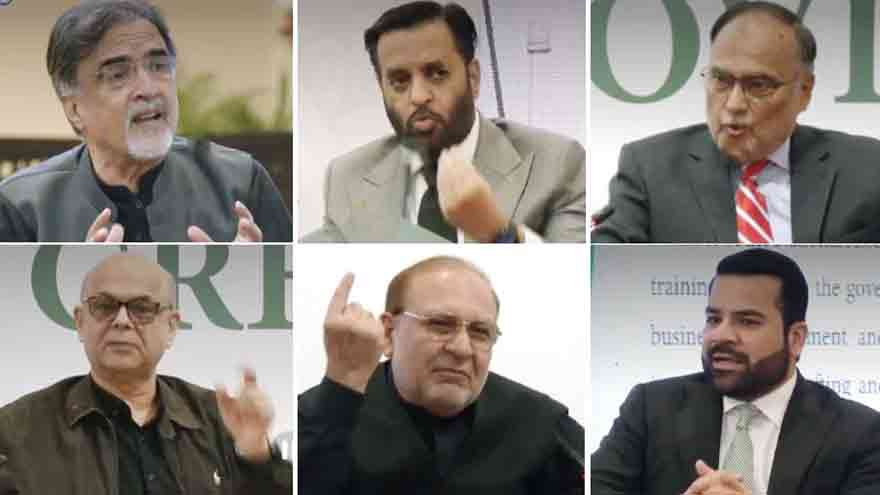
During the session, several members of the committee raised concerns regarding the implications of the increased tax burden. Member of the Committee Javed Hanif Khan argued that citizens are already subject to multiple forms of taxation and warned against additional financial pressure.
Committee member Sharmila Faruqi also opposed the increase, stating that the revised structure would disproportionately affect the middle class, who are already managing rising living costs.
Former foreign minister Hina Rabbani Khar questioned the rationale behind annual token tax collection, suggesting that a longer-term payment model could be more efficient and less burdensome for vehicle owners.
Lawmakers further noted that the existing revenue collected from Islamabad’s road users is already sufficient for maintenance and infrastructure needs, raising questions over the necessity of the proposed increase.