Summary The SBP cautioned that delays in implementing structural reforms could weaken exports and domestic productivity.
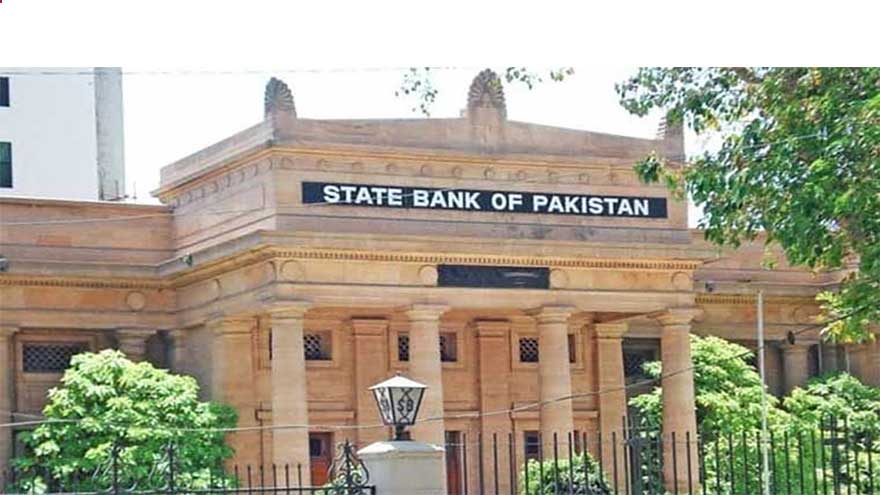
KARACHI (Dunya News) – The State Bank of Pakistan (SBP) has projected that the country’s economic growth will remain between 3.5% and 4.5% during fiscal year 2027, while warning that geopolitical tensions, higher global commodity prices and climate-related shocks could pose significant risks to the economic outlook.
The central bank issued its Half-Yearly Monetary Policy Report for August 2026, outlining the economic outlook and key challenges facing Pakistan amid continued uncertainty in global markets.
According to the report, economic outcomes during FY2026 remained broadly in line with expectations despite the global economic shock caused by the conflict in the Middle East.
The SBP said the conflict led to a sharp increase in energy, freight and insurance costs, creating additional pressures for economies dependent on imports.
However, the central bank noted that a cautious monetary policy helped contain the second-round effects of higher energy prices and kept inflation expectations of key stakeholders under control.
Inflation outlook remains manageable
The report said the government passed higher global prices into domestic prices in a timely manner, while fiscal prudence and targeted subsidies helped keep aggregate demand at moderate levels.
The SBP expects inflation to stabilise near the upper end of its target range by the end of FY2027.
The assessment suggests that while price pressures could remain elevated due to external shocks, monetary and fiscal measures may help prevent temporary increases in energy and commodity prices from becoming entrenched across the wider economy.
Maintaining inflation expectations will remain important for Pakistan as the country seeks to sustain economic growth while avoiding renewed macroeconomic instability.
Current account deficit projected at 1% of GDP
The central bank has estimated that Pakistan's current account deficit will remain between zero and 1% of GDP during FY2027.
A relatively contained external deficit would help reduce pressure on the country's foreign exchange position and support overall macroeconomic stability.
The SBP has also set a target of increasing its foreign exchange reserves to $20.20 billion by December 2026.
The report projects a further increase in the State Bank's foreign exchange reserves by the end of FY2027, provided external financing, exports, remittances and other foreign exchange inflows remain supportive.
Geopolitical tensions pose major risk
Despite the relatively positive growth outlook, the SBP identified the geopolitical situation in the Middle East as a major risk to Pakistan's economic prospects.
The central bank warned that a larger-than-expected increase in global energy and commodity prices could adversely affect the domestic economy.
Pakistan remains particularly vulnerable to international energy price movements because of its reliance on imported fuel and other commodities. A sustained rise in global oil prices could increase the import bill, place pressure on the current account and raise domestic inflation.
Higher freight and insurance costs could further increase the cost of imports and create additional pressure on businesses and consumers.
Floods and climate risks
The SBP also highlighted environmental risks, including floods, as potential threats to economic activity.
Severe flooding can damage crops, infrastructure and supply chains while increasing government spending on relief and reconstruction. Agricultural losses can also affect food prices and rural incomes.
The central bank's warning comes as climate-related events increasingly pose risks to Pakistan's economic stability and food and water security.
Structural reforms remain critical
The SBP cautioned that delays in implementing structural reforms could weaken exports and domestic productivity.
Improving productivity, strengthening export competitiveness and addressing longstanding structural constraints will be critical if Pakistan is to move beyond relatively modest growth rates.
The report indicates that maintaining macroeconomic stability alone will not be sufficient to achieve sustained higher growth. Reforms aimed at improving the business environment, productivity, investment and export capacity will remain essential.
Pakistan's economic outlook for FY2027 therefore presents a mixed picture: the SBP expects growth of up to 4.5%, controlled external imbalances and improving foreign exchange reserves, but significant risks remain from geopolitical tensions, global energy prices, climate shocks and delays in structural reforms.
The ability of policymakers to manage these risks while maintaining reform momentum will determine whether Pakistan can convert the projected recovery into sustainable, broad-based economic growth.