Summary ADB expects Pakistan’s economy to grow 3.7% in FY2027, while inflation may reach 8.3%. The bank warns that Middle East tensions, energy costs and reform delays pose risks.
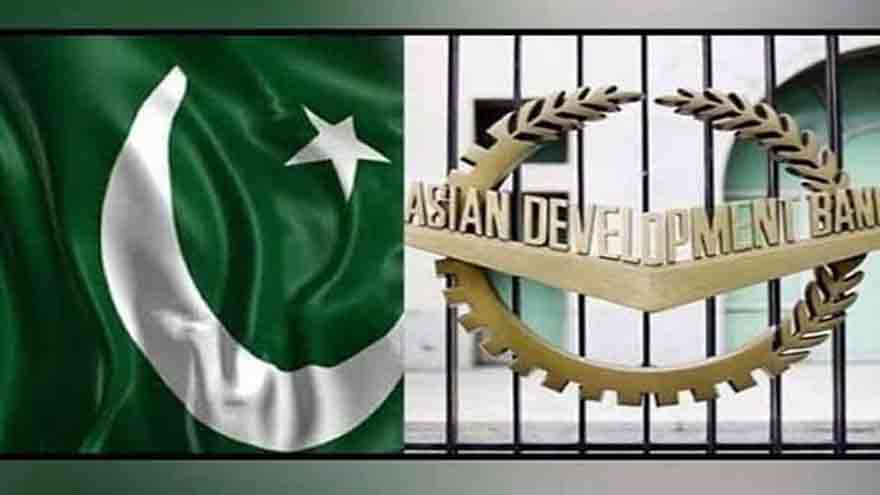
ISLAMABAD (Dunya News) – The Asian Development Bank has projected Pakistan’s economic growth at 3.7% for the current fiscal year, falling short of the government’s 4% target.
The bank also expects inflation to average 8.3%, above the official 7% estimate, citing potential economic disruptions linked to the ongoing conflict in the Middle East.
“Pakistan’s gross domestic product growth is projected to remain at 3.7pc in FY2027”, it said in its Asian Development Outlook September 2026 outlook.
“Average inflation is projected to rise to 8.3pc in FY27, above the central bank’s medium-term target range of 5pc–7pc, as elevated energy, logistics, and agricultural input costs continue to affect domestic prices”, it added.
The ADB cautioned that Pakistan’s economic prospects could face considerable pressure from external developments. A worsening Middle East crisis could drive up the cost of energy imports, fuel further price increases, and weaken employment conditions in Gulf countries, potentially reducing remittance inflows from Pakistani workers.
“The reintroduction of austerity measures by the Pakistan government could also weigh on domestic demand and economic activity, particularly if expenditure restraint is more pronounced than anticipated, posing an additional downside risk to the economic outlook”, the ADB stated.
The ADB identified several additional challenges that could weigh on Pakistan’s economy, including tighter international financial conditions, weaker-than-expected tax collection, climate and weather shocks affecting agriculture, and delays in reforms involving the energy industry and state-owned enterprises.
The bank said maintaining momentum on structural reforms would be important for strengthening the country’s fiscal and external position while helping preserve confidence among investors.
Pakistan’s economic activity showed improvement during FY26, which ended on June 30, 2026. Growth rose to 3.7%, compared with 3.2% recorded a year earlier. The recovery was spread across several areas, with services remaining resilient, industrial production improving, agriculture rebounding and private-sector investment gaining strength. However, economic activity lost some momentum during the final quarter amid the impact of the Middle East conflict.
The ADB said continued reforms, stronger foreign-exchange buffers, renewed access to global capital markets and improvements in Pakistan’s sovereign credit ratings could help boost investor confidence and encourage private investment. At the same time, persistently high energy costs and uncertainty in the external environment, including the continuing fallout from the Middle East conflict, could limit the pace of economic growth.