Summary Oil prices rose 0.5% after reports of US strikes on Iran's Qeshm Island heightened fears of further conflict and prolonged disruptions to Middle East energy supplies.
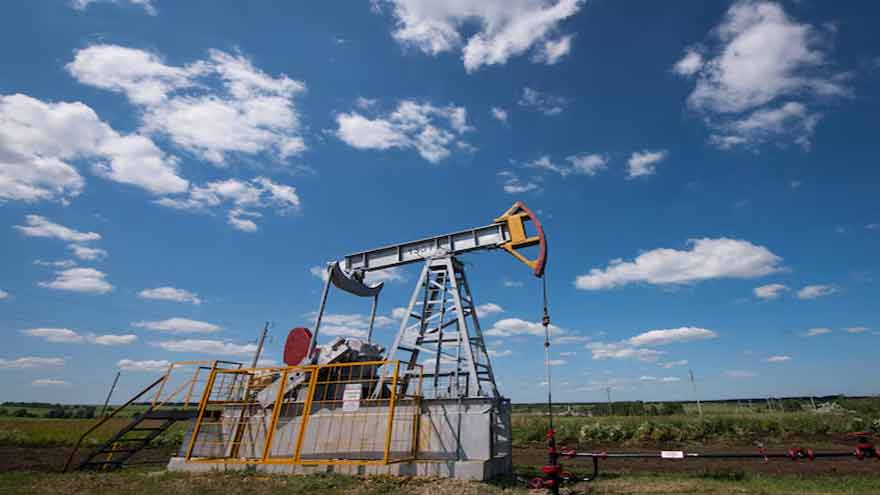
(Reuters) - Oil prices rose in early Asian trade on Tuesday after a report that the United States had struck Iran's Qeshm Island, raising concerns about an escalation of the eight-month conflict and prolonged disruptions to Middle East oil supplies.
Brent crude futures rose 48 cents, or 0.5%, to $105.25 a barrel by 0104 GMT while US West Texas Intermediate crude was up 47 cents, or 0.5%, at $96.93 a barrel.
Brent crude futures settled $8.66, or 7.63%, lower to $104.77 a barrel on Monday.
The United States struck Iran's Qeshm Island, the Wall Street Journal reported, citing US officials. Some of the officials described the assaults as defensive in nature to prevent Iran from having the freedom to attack commercial ships in the Strait of Hormuz.
"The report added a degree of risk premium back into the oil price. Just when markets were starting to price in a more diplomatic path, this reminder of ongoing military activity has flipped the tone," said Tim Waterer, chief market analyst at KCM Trade.
Meanwhile, Tehran said on Monday that contacts between Iran and the US to end their war are continuing, after days of Iranian talks with Qatari mediators ended with altered proposals but no breakthrough.
Trump raised doubts on Monday about whether he would follow through on a threatened resumption of military strikes against Iran and said a deal with Tehran could happen.
The US-Iran conflict began in late February has sharply reduced traffic through the Strait of Hormuz, which previously carried about a fifth of global crude oil and natural gas supplies.
The Iran war is a leading cause of high gasoline prices that are weighing on voters, and Trump is under pressure to end the conflict.
Brent ended October at its highest in six months on concerns that the Middle East conflict could escalate again after Tuesday's US midterm elections.
Iranian President Masoud Pezeshkian said Supreme Leader Ayatollah Mojtaba Khamenei had granted the government certain authorities for peace talks.
Additionally, the US will bring together delegations from Ukraine and Russia in Abu Dhabi on November 10-11 to discuss ending Moscow's war against Ukraine, post-war security agreements and de-escalation.