Summary Pakistan’s LPG demand is projected to grow 8–8.5% annually, but limited domestic production, inadequate storage and weak transport infrastructure threaten energy security.
ISLAMABAD (Zeeshan Yousafzai) – The evolving regional situation and volatility in global energy markets have not only pushed up energy prices in Pakistan but also exposed serious weaknesses in the country’s energy security landscape.
The ongoing conflict has highlighted Pakistan’s fragile energy security position and underscored the need for comprehensive and integrated planning.
While the current LPG crisis is partly emerging due to border closures, it has also exposed vulnerabilities in the sustainability of Pakistan’s LPG market. Demand for liquefied petroleum gas (LPG) is steadily increasing while domestic production remains insufficient and the existing infrastructure is riddled with shortcomings.
According to Petroleum Division documents available with Dunya, more than 10 million households in Pakistan are connected to the natural gas pipeline network while over 25 million households rely on LPG and other fuels to meet their energy needs.
Rising population and declining domestic natural gas production are driving a rapid increase in LPG demand. Pakistan’s annual LPG market currently stands at approximately 2.4 million metric tonnes. Over past six years the market has recorded an average annual growth rate of 7.5% while demand is projected to continue growing by 8–8.5% annually in the coming years.
LPG demand which stood at 2.4 million metric tonnes in fiscal year 2025-26 is projected to increase to 4.16 million metric tonnes by FY2032-33. In comparison, domestic LPG production is expected to rise only marginally from 0.96 million metric tonnes to 1.35 million metric tonnes.
The widening gap between demand and domestic production will have to be bridged through imports. LPG imports are projected to increase from 1.4 million metric tonnes to 2.8 million metric tonnes by 2033.
Pakistan’s existing LPG infrastructure is also facing significant shortcomings. Inspections conducted by the Oil and Gas Regulatory Authority (OGRA) and the Hydrocarbon Development Institute of Pakistan (HDIP) found that no quality-testing facilities were available at any land entry point in Taftan.
Several explosions have also occurred since 2020 due to the transfer of LPG from one tanker to another at border crossings without adequate safety arrangements. Estimates suggest that 56% of LPG transportation bowsers (tankers) operating in Pakistan are also unregistered.
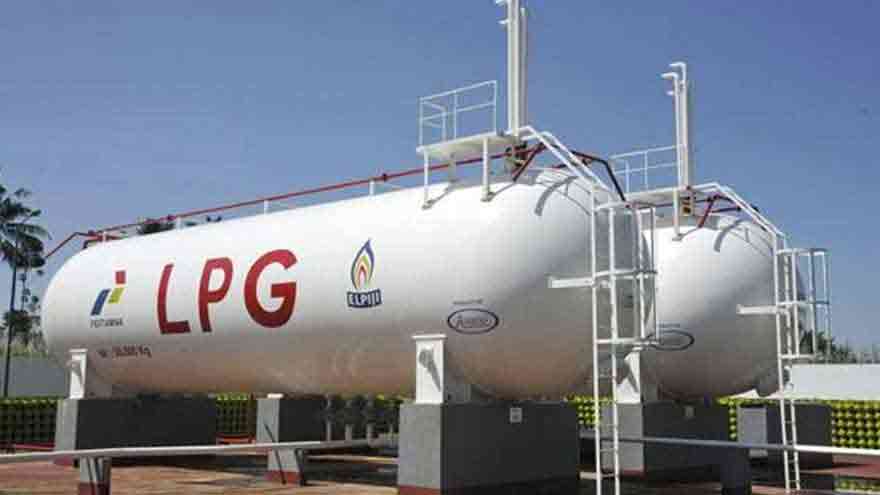
Pakistan’s total LPG storage capacity currently stands at approximately 70,000 metric tonnes of which 14,000 metric tonnes are located at seaports and 56,000 metric tonnes are available inland. These arrangements are insufficient to meet the country’s growing energy requirements.
The two existing LPG terminals at Port Qasim each with a storage capacity of approximately 6,500 metric tonnes, can accommodate vessels of up to 10,000 deadweight tonnes (DWT). This is significantly below international standards, where LPG vessels typically have capacities ranging from 30,000 to 50,000 DWT.
Furthermore ports lack additional storage facilities while an inland pipeline network for LPG transportation is also unavailable. Consequently, LPG imports through sea routes account for only 16% of the country's total supply.
The documents further highlight that meeting Pakistan’s projected LPG demand by FY2035-36 will require substantial investment in terminal infrastructure, storage capacity, cylinder-filling facilities and transportation capabilities.