Summary Oil prices remained largely steady as supply surplus expectations and potential US rate hikes offset concerns over shipping disruptions in the Strait of Hormuz amid the Iran war.
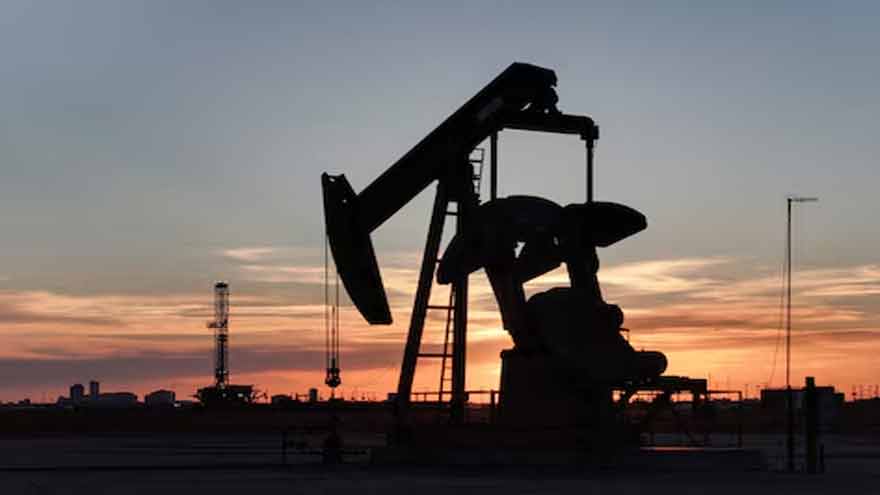
BEIJING (Reuters) - Oil prices were steady on Thursday after falling previously as increasing expectations for a supply surplus and higher interest rates softened sentiment, outweighing support from attacks on shipping in the Strait of Hormuz amid the lingering Iran war.
Brent crude futures were trading up 17 cents, or 0.18%, at $92.12 a barrel as of 0237 GMT. US West Texas Intermediate futures fell 9 cents, or 0.11%, to $83.17.
Brent fell 1.3% in the previous session while WTI dropped 3.2% to its lowest since August 26 on emerging expectations of a supply surplus as crude shipments through the Strait of Hormuz have returned to roughly pre-war levels.
Prices have also come under pressure from expectations of higher US interest rates that would cause lower economic growth and slower demand increases for oil. That would also strengthen the dollar, raising prices for non-US buyers paying for dollar-denominated crude in different currencies.
Minutes from the US Federal Reserve's October meeting, released on Wednesday, bolstered investor expectations that the central bank could raise interest rates at its next meeting in December to control inflation.
Markets are awaiting the trilateral summit between the leaders of the US, China and Russia, seeking clues about the prospects of a negotiated end to the US-Iran war and Russia's invasion of Ukraine, which have disrupted global oil markets.
Reuters reported on Wednesday that Ukrainian drone attacks have reduced Russian oil refineries' combined crude processing volumes by 45% since late October, citing industry sources.