
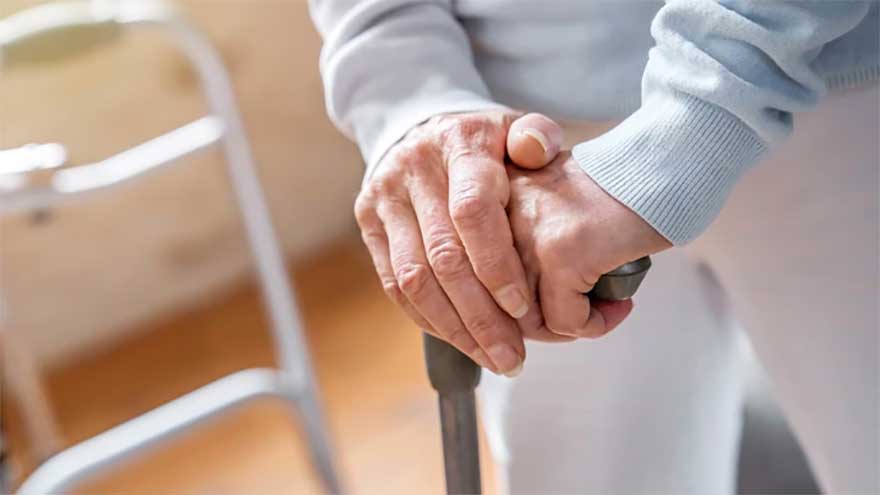
Summary Weak grip, slow walking, muscle loss may signal higher risk of stroke
LAHORE (APP) - Medical experts have identified three physical warning signs that may indicate a significantly higher risk of stroke — a life-threatening condition commonly known as paralysis in many countries.
According to health experts, stroke occurs when blood supply to the brain is interrupted. There are two major types of stroke: ischemic stroke, caused by blockage of blood flow to the brain, and hemorrhagic stroke, which occurs when a blood vessel in the brain ruptures and causes bleeding. Both conditions can severely damage brain tissue due to lack of oxygen and require immediate medical attention.
Doctors warn that delayed treatment can dramatically increase the risk of death or permanent disability, making early recognition of warning signs critically important.
A recent study conducted by Zhejiang University School of Medicine has highlighted three physical indicators linked to a greater likelihood of stroke: reduced muscle mass, weak hand grip strength, and slow walking speed.
The findings, published in the journal ‘Stroke’ by the American Heart Association, were based on health data from more than 480,000 adults enrolled in the UK Biobank study.
Researchers tracked participants for several years, all of whom had no previous history of stroke at the start of the research.
The study revealed that individuals with lower muscle strength faced a 30 per cent greater risk of suffering any type of stroke. Weak hand grip strength was associated with a 7 per cent increase in stroke risk, while people with slower walking speed were found to have a striking 64 per cent higher risk compared to those who walked briskly.
Researchers explained that declining physical function may reflect underlying inflammation, poor metabolic health, and reduced overall fitness — all of which are known contributors to cardiovascular and cerebrovascular diseases.
Lead researcher Dr Lu-sha Tong, a neurologist at the Second Affiliated Hospital of Zhejiang University School of Medicine, noted that walking pace appeared to be one of the strongest indicators of overall health and future stroke risk.
Health experts say the findings highlight the importance of regular exercise, maintaining muscle strength, and monitoring physical performance as part of stroke prevention strategies, particularly among older adults.
Previous medical research also linked weak hand grip strength with higher rates of cardiovascular disease and stroke, suggesting that simple physical assessments could help doctors identify high-risk individuals earlier.