
Summary Pakistan’s health ministry plans to digitise federal hospitals after the PIMS fire, introducing digital performance monitoring and a proposed AI-powered system for patient complaints.
ISLAMABAD (Dunya News) - Pakistan’s Federal Health Ministry has decided to move towards digital monitoring of government hospitals following the deadly fire at the Pakistan Institute of Medical Sciences (PIMS), with authorities considering artificial intelligence to track complaints and identify weaknesses in hospital management.
The initiative comes after the PIMS tragedy brought hospital safety, emergency preparedness and administrative oversight under renewed scrutiny.
Health ministry officials said digital technology would be used to identify shortcomings in government hospitals and improve their administrative and operational systems.
Under the proposed framework, hospital performance, public complaints and key administrative matters would be monitored digitally, allowing authorities to identify problems and follow their resolution more systematically.
Health minister discusses hospital digitisation
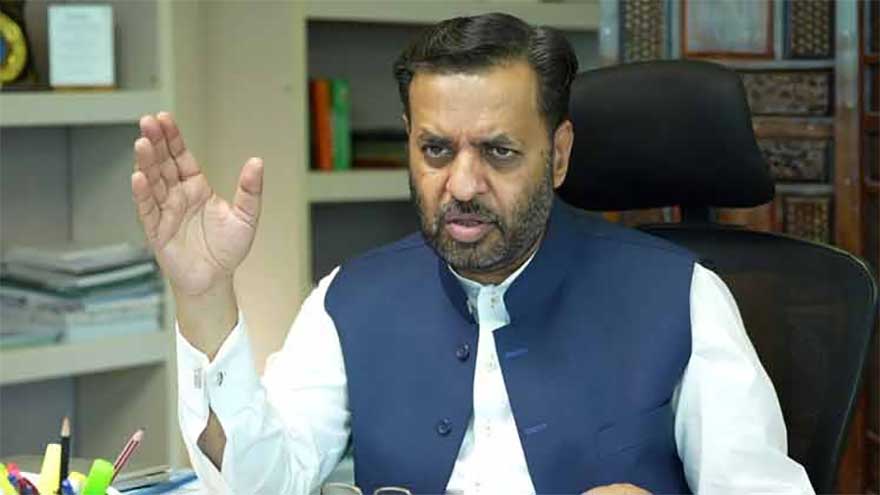
Federal Health Minister Mustafa Kamal held a meeting with Pakistan Digital Authority Chairman Dr Sohail Munir to discuss the use of technology in managing government hospitals.
The talks focused on digitising hospital operations and introducing technological solutions to strengthen administrative oversight.
The health ministry has decided to seek assistance from the Pakistan Digital Authority in developing the proposed system.
Authorities are preparing to shift various hospital operations and administrative functions onto digital platforms as part of the wider reform effort.
AI could handle hospital complaint calls
One of the most significant proposals under consideration is an AI-based complaint management system for government hospitals.
According to health ministry officials, AI agents could receive and process calls from citizens regarding problems at hospitals.
Artificial intelligence could then be used to register complaints, track their progress and monitor whether they have been addressed.
If effectively implemented, such a system could provide health authorities with centralised data on recurring complaints and potentially help identify hospitals, departments or services requiring urgent intervention.
However, the effectiveness of any AI-based complaint mechanism would depend on its implementation, human oversight, accessibility and the ability of authorities to act on complaints recorded by the system.