Summary Deputy PM Ishaq Dar said that traffic restrictions around the Serena Hotel and the Red Zone have ended
ISLAMABAD (Dunya News) - Iran's FM Abbas Araghchi left Islamabad for Moscow on Sunday. He will meet high-ranking officials in Moscow to discuss bilateral relations between Iran and Russia.
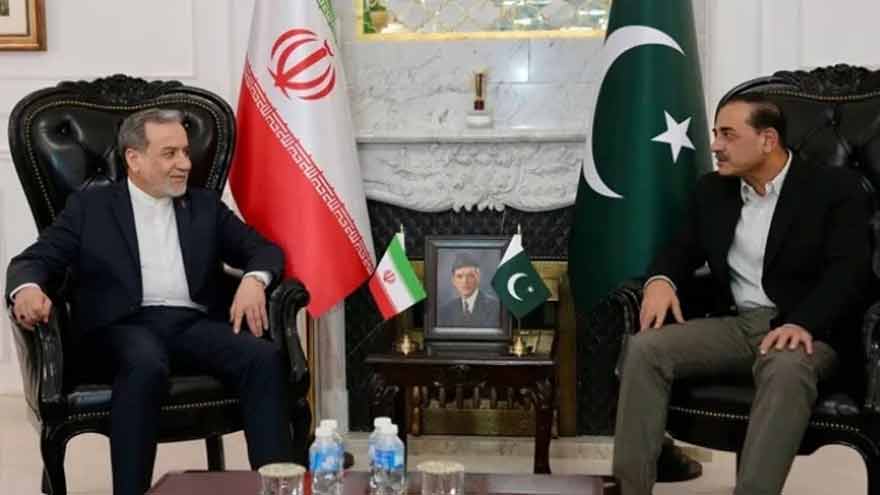
Earlier, Iranian Foreign Minister Abbas Araghchi met with Pakistan’s Chief of Army Staff and Chief of Defence Forces, Field Marshal Asim Munir, in Islamabad following his return from Oman on Sunday. The high-level meeting took place at a time when Pakistan is working to sustain momentum in ongoing diplomatic efforts between United States and Iran.
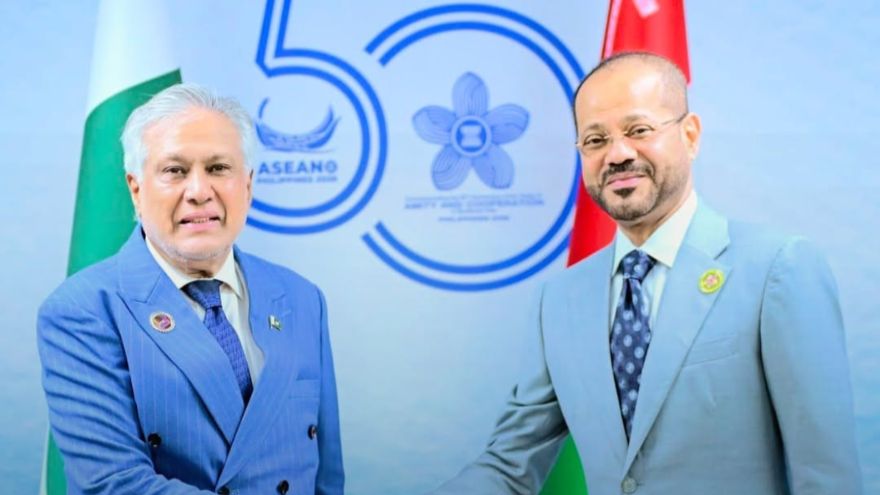
Following Araghchi's departure, Deputy Prime Minister and Foreign Minister Ishaq Dar said that traffic restrictions around the Serena Hotel and the Red Zone in Islamabad have ended.
"I extend my heartfelt thanks to the people of Pakistan — especially the residents of Islamabad and Rawalpindi — for their patience and cooperation," he wrote in a post on X.
اسلام آباد میں سیرینا ہوٹل اور ریڈ زون کے اطراف ٹریفک پابندیاں آج ختم ہو گیئ ہیں۔ میں اہلِ پاکستان—بالخصوص اسلام آباد اور راولپنڈی کے شہریوں— کے صبر اور تعاون پر دل کی گہرائیوں سے شکریہ ادا کرتا ہوں۔
— Ishaq Dar (@MIshaqDar50) April 26, 2026
آپ کی حمایت ہمیں اپنے مہمانوں کی حفاظت کو یقینی بنانے اور خطے میں امن کے لیے…
Araghchi arrived in Islamabad after concluding his visit to Muscat, where he held discussions with Haitham bin Tariq.
The talks focused on regional security, particularly in the strategically vital Strait of Hormuz, as well as ongoing diplomatic initiatives aimed at easing tensions between Washington and Tehran.
Diplomatic sources say the Iranian foreign minister’s latest engagements underscore continued regional efforts to revive dialogue and prevent further escalation in the conflict.
Meanwhile, Iranian officials have stated that following his visit to Pakistan, Abbas Araghchi will travel to Russia.
Also Read: Iran FM Abbas Araghchi terms visit to Pakistan fruitful
Earlier, the Iranian foreign minister had welcomed Pakistan’s efforts to maintain peace and described his visit to the country as highly productive.
He said that Iran had presented its position regarding a practical framework aimed at permanently ending the war, adding that it remains to be seen whether the United States is genuinely serious about pursuing diplomacy.
It is worth noting that during his previous visit to Islamabad, the Iranian foreign minister met with Prime Minister Shehbaz Sharif and Field Marshal Asim Munir.
Although a ceasefire has paused full‑scale fighting in the conflict, which began with US-Israeli strikes on Iran on February 28, no agreement has been reached on terms to end a war that has killed thousands, driven up oil prices, fuelled inflation and darkened the outlook for global growth.
Tehran has largely closed the Strait of Hormuz, which normally carries a fifth of global oil and liquefied natural gas shipments, while Washington has imposed a blockade of Iran's ports.