Summary Discussions span bilateral ties, security cooperation and regional de-escalation efforts
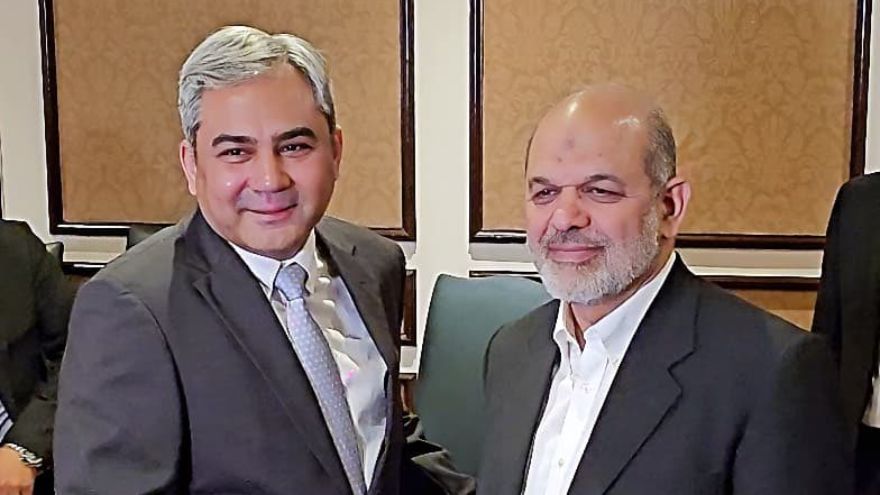
ISLAMABAD/TEHRAN (Web Desk) – Interior Minister Mohsin Naqvi held a series of high-level meetings with Iran’s civil and military leadership during his visit to Tehran on Wednesday, according to Iranian media reports.
The engagements come at a time of heightened regional sensitivity, with diplomatic efforts ongoing to ease tensions involving the United States and Iran. The visit marks his second trip to Tehran in less than a week, underscoring the pace of Pakistan’s backchannel diplomatic activity in the region.
Naqvi arrived in Tehran for discussions focused on security cooperation, bilateral relations, and wider regional stability. His meetings included talks with Iran’s Interior Minister Eskandar Momeni, where both sides reviewed areas of mutual interest, including border security coordination and counterterrorism cooperation. Iranian media reported that the discussions also touched on broader regional developments, particularly the evolving security landscape in the Middle East.

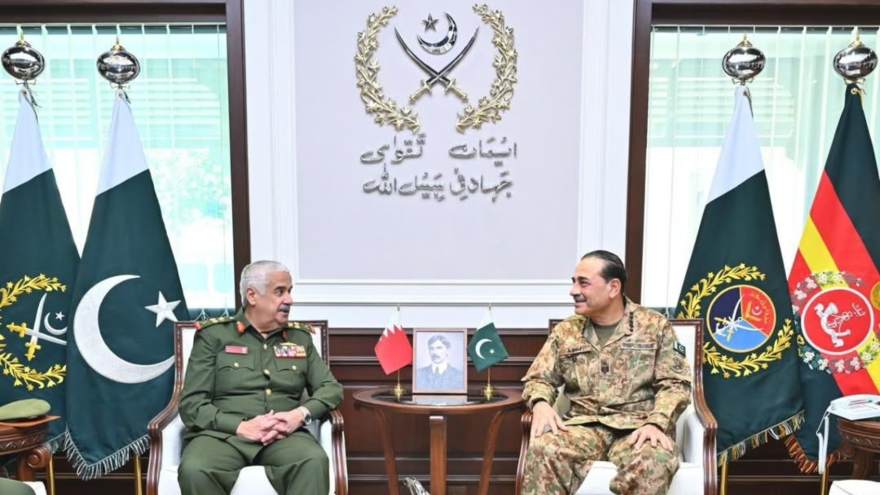
During the visit, Naqvi also met the Commander-in-Chief of the Islamic Revolutionary Guard Corps (IRGC), Ahmad Vahidi. The meeting highlighted military-level engagement between the two sides, reflecting ongoing communication channels between Islamabad and Tehran on strategic and security-related matters. The IRGC leadership discussions were described in Iranian reports as part of broader consultations on regional stability and defence coordination.
Naqvi’s engagements in Tehran come amid Pakistan’s continued diplomatic role in facilitating indirect communication between Washington and Tehran. Islamabad has been involved in efforts aimed at reducing tensions and encouraging dialogue over stalled negotiations linked to regional security and conflict de-escalation.
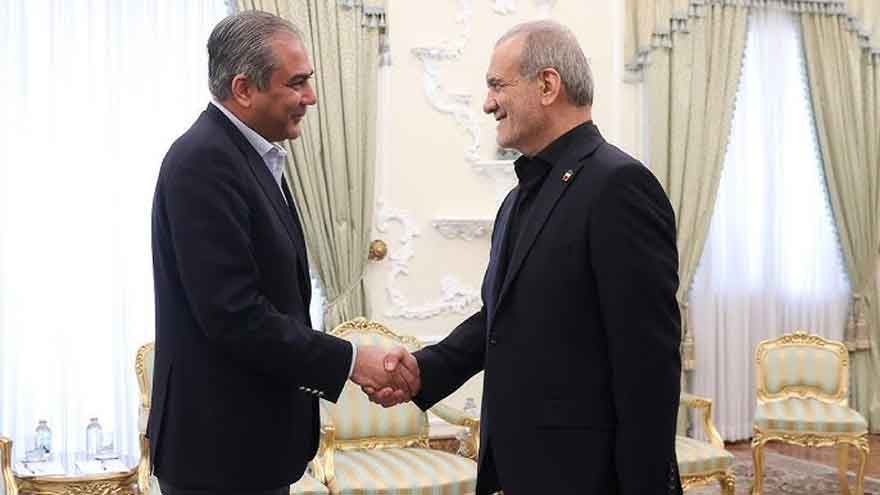
Earlier discussions involving Pakistan’s outreach efforts included meetings with senior Iranian political leadership such as President Masoud Pezeshkian, Foreign Minister Abbas Araghchi, and Speaker of Parliament Mohammad Bagher Ghalibaf during Naqvi’s previous visit to Tehran last week. Those meetings centred on bilateral ties, regional security cooperation and prospects for easing diplomatic tensions in the wider region.
Pakistan’s role as a facilitator has gained prominence in recent months as indirect contacts between the United States and Iran continue through third-party channels. The discussions in Tehran are understood to include updates on these indirect exchanges, with Pakistan positioning itself as a conduit for communication amid strained geopolitical relations.
The broader regional backdrop remains tense, with diplomatic manoeuvring continuing over security concerns in the Middle East. While formal negotiations between Washington and Tehran remain stalled, multiple intermediaries are engaged in maintaining dialogue channels to prevent escalation.
Iran threatens war 'beyond the region' if US attacks
Iranian media reports also indicate that discussions in Tehran have extended to regional maritime security, energy routes and economic pressures linked to ongoing geopolitical instability. These issues remain central to wider diplomatic efforts as regional actors seek to manage risks associated with disrupted trade flows and strategic waterways.
The visit takes place against a backdrop of heightened regional rhetoric and shifting diplomatic positions among key stakeholders. While Pakistan continues to emphasise diplomatic engagement, Iran has maintained its position on regional security matters, including its responses to external pressure and ongoing negotiations.
Further diplomatic developments are expected as regional and international stakeholders continue to engage in parallel discussions aimed at stabilising the broader geopolitical environment.