Summary Ishaq Dar says US-Iran talks are in second phase, Pakistan is facilitating diplomacy, and while next stage will be tough, a final agreement is still achievable.
ISLAMABAD (Dunya News) – Deputy Prime Minister and Foreign Minister Ishaq Dar has said that negotiations between the United States and Iran could have begun several days earlier, adding that the next phase of talks will be more difficult, though a final agreement remains achievable.
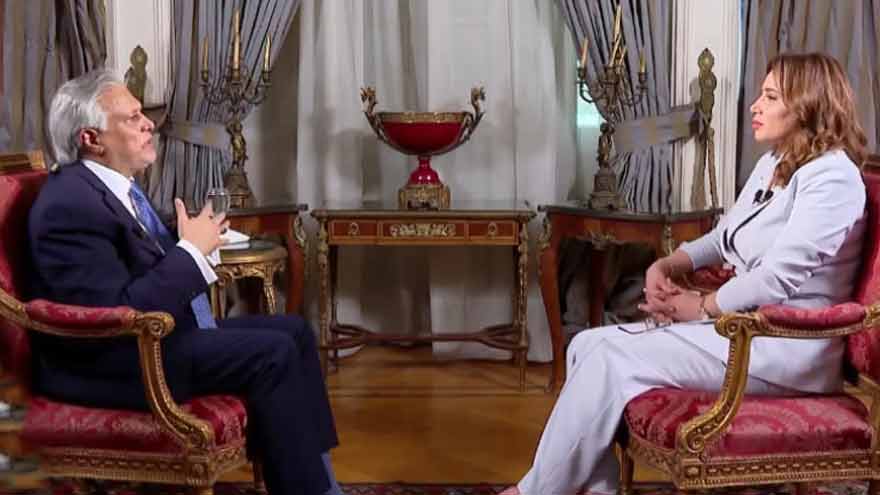
In an interview with Arab media, Ishaq Dar said Israeli attacks on Lebanon significantly impacted the diplomatic process, which nearly stalled efforts to bring American and Iranian delegations back to the negotiating table.
He said that after renewed reconciliation efforts, technical-level talks resumed, which are now focused on implementing a recent memorandum of understanding. He added that this represents the second phase of diplomatic engagement between the United States and Iran.
Dar stated that Iran will reduce uranium enrichment levels instead of sending enriched uranium abroad, while working groups are actively engaged on issues related to the nuclear programme, sanctions, and frozen assets. Lebanon-related matters are also included in the negotiation agenda.
He further said that Pakistan is playing a facilitation role throughout the process with no personal or strategic interest, describing it as a sincere contribution toward regional and global peace. He said certain matters have a 30-day timeline for resolution, while a broader agreement is expected within 60 days.
Iran's President to reach Pakistan today for high-level talks
According to him, vessels passing through the Strait of Hormuz will be allowed transit for 60 days without tariffs, subject only to standard navigation or service fees.
Ishaq Dar added that former US President Donald Trump personally guided the US-Iran negotiations, while Saudi Arabia, Qatar, Egypt, and the United Arab Emirates are supporting the mediation process.
He said the upcoming phase of talks may be difficult, but the final deal is still achievable and contains no negative elements. He rejected the impression of any secret agreement, saying everything is included within the formal framework and extensions are possible with mutual consent.