Summary The Supreme Court directed educational institutions to strengthen anti-harassment mechanisms, restore penalties in a harassment case and ensure safe workplaces for female teachers
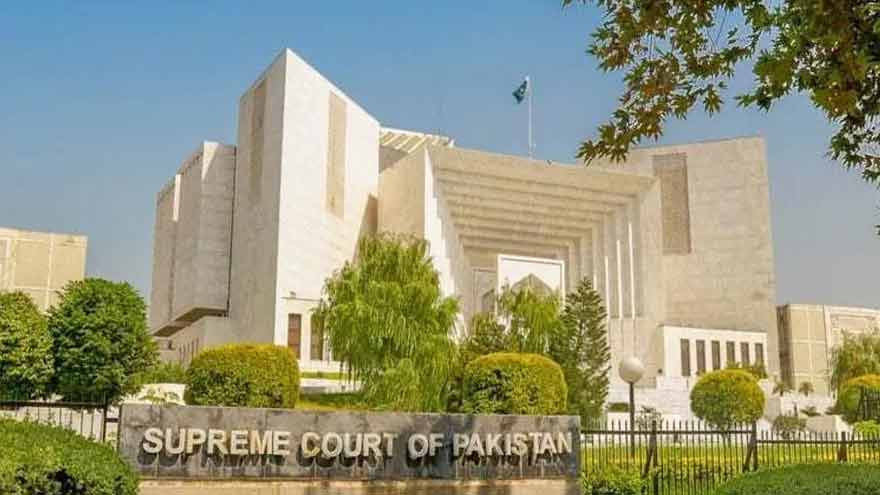
ISLAMABAD (Dunya News) – The Supreme Court has issued a landmark ruling directing educational institutions across Pakistan to strengthen measures aimed at preventing harassment and ensuring safe working environments for female teachers.
A two-member bench comprising Justice Muhammad Ali Mazhar and Justice Musarrat Hilali observed that any institution that tolerates harassment undermines its educational mission by fostering a culture where abuse of power is accepted and victims are discouraged from speaking out.
The court ruled that sexual harassment of female teachers by male colleagues is a grave offence and an illegal act that violates the law, ethics, dignity and workplace safety.
The bench stressed that every educational institution must adopt a clear anti-harassment policy and establish an effective reporting mechanism enabling complaints to reach senior authorities.
The Supreme Court also directed educational institutions to establish in-house inquiry committees to allow female teachers to directly report harassment complaints.
The court restored the departmental penalty of forfeiture of five years of service after setting aside the tribunal's decision and dismissed the appeal as time-barred.
It further ordered that copies of the judgment be sent to the federal minister for education, chief secretaries of all provinces, federal and provincial education secretaries, and federal and provincial ombudsmen to ensure effective implementation of anti-harassment measures.
The Ministry of Education was directed to ensure that the code of conduct against harassment is prominently displayed in all educational institutions.
The judgment stated that inappropriate remarks, sexually suggestive jokes or messages, catcalling, demands for unethical favours in exchange for employment benefits, unwanted physical contact and creating a hostile or unsafe workplace environment all constitute unlawful conduct that violates the dignity and security of employees.
The ruling was issued in a case involving harassment allegations against a Grade-17 official at the Government Special Education Centre in Faisalabad.