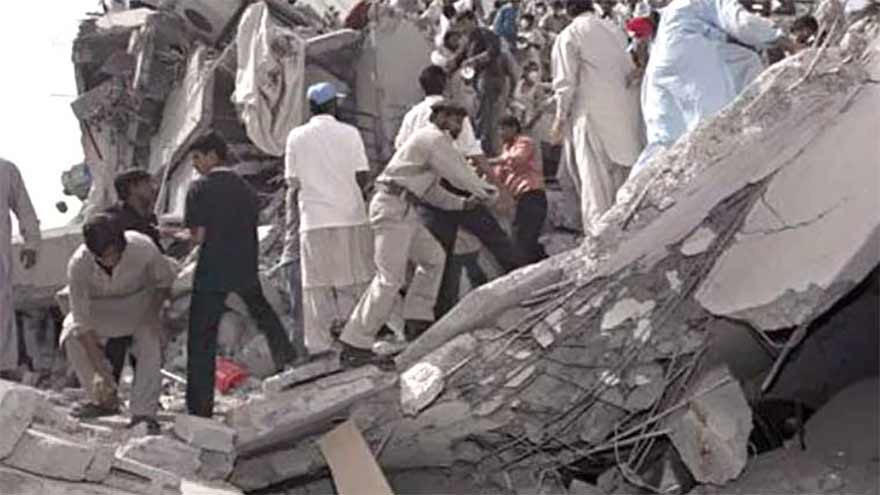

Summary Hafiz Naeem condemns government handling of PIMS tragedy, demands accountability and calls for public mobilization against inflation and flawed policies.
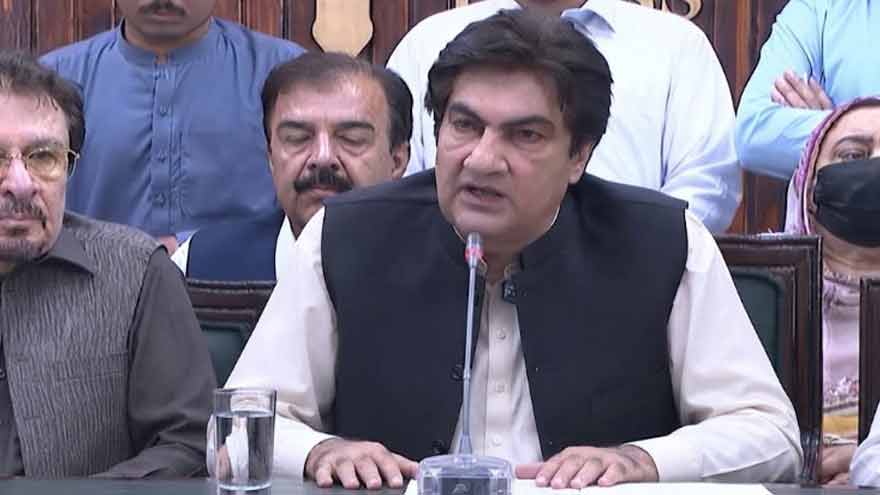
LAHORE (Dunya News) - Jamaat-e-Islami Emir Hafiz Naeem-ur-Rehman has strongly criticized the government over the PIMS tragedy, saying committees are formed after every tragedy and the matter is subsequently closed, but the ruling elite can no longer hide the facts.
Addressing a sit-in in the provincial capital, Hafiz Naeem said the nation must be told how and where funds allocated for education and healthcare are being spent.
He alleged that the Pakistan Peoples Party (PPP), Pakistan Muslim League-Nawaz (PML-N) and Muttahida Qaumi Movement (MQM) had ruined the country.
The JI chief said the PPP governor, whom he described as part of a political “friendly contest,” was calling for the sit-in to end, while the public was raising its voice for its rights.
Hafiz Naeem made it clear that Jamaat-e-Islami did not believe in coming to power through conspiracies.
He said the party would never bring a revolution through Form 47, adding that genuine change required organizing the people. He said real transformation could only be achieved through public power and organized struggle.
The JI emir said that if the children of politicians and powerful people had been receiving treatment at PIMS, the situation would not have been the same.
He said committees were formed after tragedies in the country, but the results of their investigations remained effectively zero.
Hafiz Naeem demanded accountability for the deaths of the children at PIMS, saying the public could no longer be deceived.
He alleged that the same political group had kept the people entangled in problems for decades.
He further said PML-N, PPP and MQM had delivered nothing for the people, adding that Jamaat-e-Islami was protesting against sit-ins, inflation, the petroleum levy and what he described as unjust agreements with independent power producers (IPPs).