Summary Russia and China vetoed a US-sponsored resolution to extend an independent monitoring panel of experts assisting council’s Iran sanctions committee
UNITED NATIONS (Web Desk) - Pakistan called for diplomacy and abstained from a UN Security Council vote on Iran sanctions on Thursday as Russia and China vetoed a US-sponsored resolution to extend an independent monitoring panel of experts assisting the council’s Iran sanctions committee.
Russia and China vetoed the resolution, blocking an extension of the panel’s mandate and reviving their argument that UN sanctions on Iran had been lifted under the 2015 nuclear deal with world powers.
Eleven Security Council members voted in favour of the resolution, while Pakistan and Somalia abstained.
The panel was established to independently monitor the implementation of sanctions on Iran, investigate alleged violations and report its findings and recommendations to the 15-member Security Council.
However, it has not been operational for about a year because the council has been unable to reach consensus on the appointment of its experts. Its existing mandate was due to expire on September 26.
All UN sanctions on Iran were reimposed in 2025 after France, Britain and Germany triggered the so-called snapback mechanism, accusing Tehran of violating the 2015 nuclear agreement designed to prevent it from developing nuclear weapons. Iran denies seeking nuclear weapons.
The vote highlighted continuing divisions within the Security Council over the legal status of the sanctions and the future of the Iran nuclear issue.
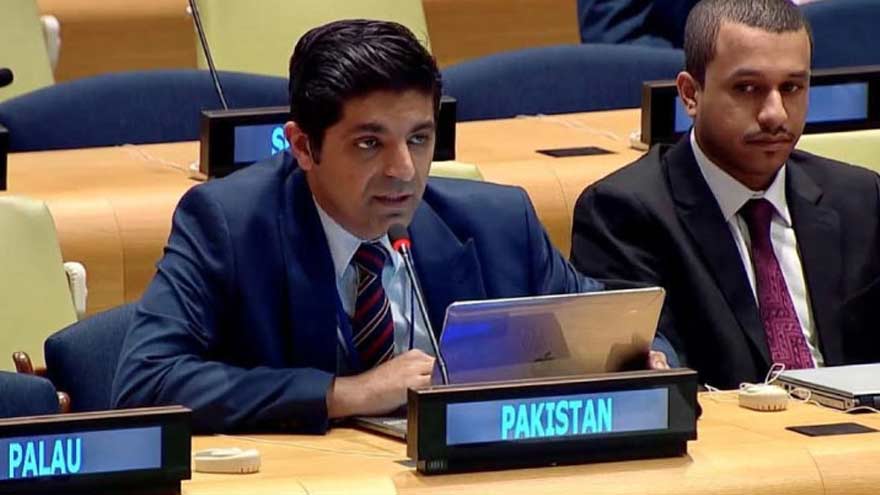
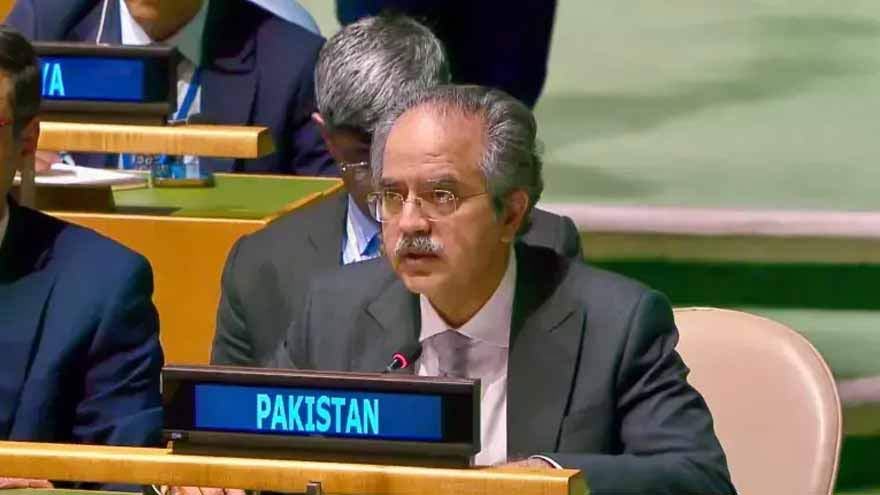
Addressing the council, Pakistan’s permanent representative, Ambassador Asim Iftikhar Ahmad, said Islamabad remained concerned that consideration of the Iran nuclear issue, including by the Security Council, had become increasingly complicated.
“We have clearly come a long way from the spirit of cooperation and peaceful settlement of disputes that characterised the adoption of resolution 2231 more than a decade ago,” he said.
Ahmad said ongoing tensions and hostilities in the region, strikes on nuclear facilities and continued differences among permanent members over key aspects of the issue had made it more difficult to address the matter through dialogue and diplomacy.
Pakistan, he said, continued to believe that diplomacy and dialogue should remain the guiding principles for resolving outstanding issues concerning Iran’s nuclear programme.
“Pakistan has consistently advocated the primacy of diplomatic engagement and the imperative of avoiding confrontation and conflict,” Ahmad said.
The ambassador reiterated Pakistan’s position that the Iran nuclear issue should be addressed through peaceful means and in accordance with the rights, obligations and responsibilities of all parties concerned.
“We also lend our support to the critical role of the International Atomic Energy Agency (IAEA) as the technical body entrusted with implementing the respective safeguards agreement,” he said.
“The IAEA should ensure this important work as per its mandate, independently and without political interference,” Ahmad added.
The envoy said Pakistan continued its efforts to promote peace and stability in the region, building on what he described as the solid foundation provided by the Islamabad Memorandum of Understanding.
“We call on all parties to implement the commitments agreed in the Islamabad MoU, return to the negotiating table and allow diplomacy to deliver for the sake of regional and international peace and security,” he said.
Pakistan remains concerned that the consideration of Iran nuclear issue, including by the Security Council, has become further complicated over a period of time. We have clearly come a long way from the spirit of cooperation and peaceful settlement of disputes that characterized… pic.twitter.com/1tyEBz1LK9
— Permanent Mission of Pakistan to the UN (@PakistanUN_NY) September 17, 2026