Summary Lahore topped global pollution rankings as AQI reached 285, while Shahdara recorded 500. Rising pollution poses serious health risks, especially for children, elderly people and patients.
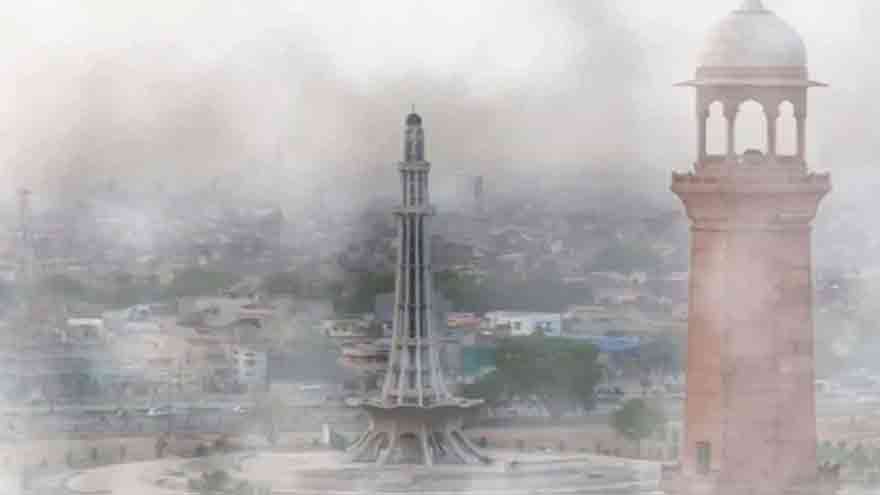
LAHORE (Dunya News) – Air pollution in Lahore has worsened, pushing the city to the top of the global list of the most polluted cities, while air quality levels in several areas have reached alarming levels.
According to Swiss air quality monitoring organisation IQAir, Lahore recorded an Air Quality Index (AQI) of 238, placing it first in the global pollution ranking. Meanwhile, a report by the Punjab Air Quality Index recorded the city's AQI at 285 at 6am, up significantly from 229 at the same time a day earlier.
According to IQAir's global ranking, India's capital New Delhi was the second most polluted city, with an AQI of 214, followed by Hanoi in Vietnam at 188 and Baghdad in Iraq at 169. Karachi ranked fifth, with an AQI of 166.
The Punjab Air Quality Index report showed that pollution levels varied considerably across Lahore, with some localities recording extremely high readings.
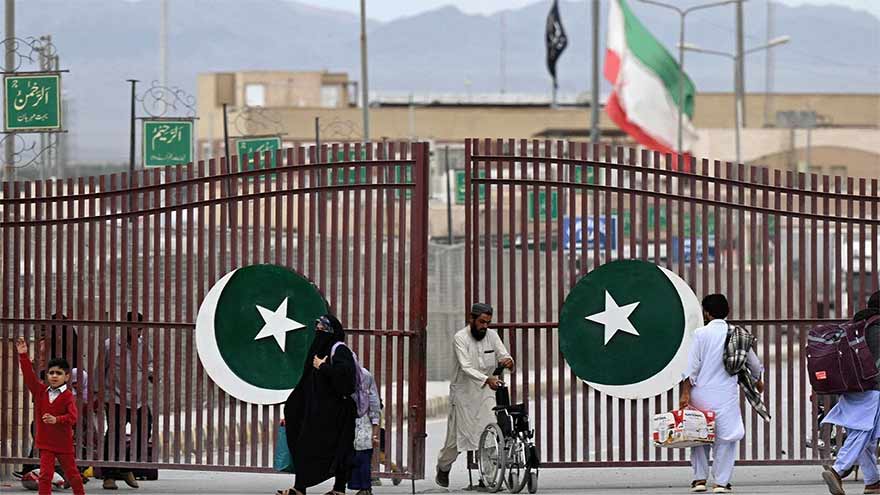
Shahdara reported an AQI of 500, indicating an exceptionally severe level of pollution. The AQI stood at 366 near the Wagah border, 335 along Multan Road and 306 on Barki Road.
The readings indicate that residents in several parts of the city are facing particularly poor air quality, increasing concerns over the potential health effects of prolonged exposure to polluted air.
Air pollution can cause eye irritation, coughing and breathing difficulties, particularly when people remain outdoors for extended periods. Children, older adults and those with existing respiratory or cardiovascular conditions are considered especially vulnerable to its effects.
General health guidance recommends that residents avoid unnecessary outdoor activities during periods of severe pollution and limit strenuous physical exertion in open spaces. People who need to go outside should consider using an appropriate protective mask.
Extra precautions are advised for children, older people and individuals with respiratory illnesses, as exposure to heavily polluted air may aggravate existing health problems.