Summary The Iran war drives up US living costs, with soaring gas prices, higher mortgage rates, and rising airfares squeezing household budgets.
NEW YORK (Web Desk) – The ongoing war in the Middle East is putting increasing financial pressure on American households, pushing up gasoline prices, mortgage rates and airfares as consumers continue to struggle with inflation ahead of the US midterm elections.
According to Mark Zandi, chief economist at Moody’s Analytics, the conflict has cost US consumers an estimated $265 billion since it began in late February. The figure translates into approximately $2,000 in additional expenses for the average American household.
“Many Americans have rightly connected the dots between the Iran War and the painfully high cost of living and thus want the war to end,” Zandi told CNN on Tuesday.
The financial strain is increasing as wages struggle to keep pace with rising prices. Wage growth slowed to a five-year low in September, while inflation-adjusted wages declined in nearly every month following the start of the conflict. As a result, some households have turned to savings and credit cards to cover everyday expenses.
Rising Energy Costs Put Pressure on Families
Higher energy prices account for a significant portion of the economic impact. The war disrupted shipping through the Strait of Hormuz, a critical route for global crude oil, fuel and liquefied natural gas supplies.
Although oil shipments through the waterway have recovered, the cost of transporting crude from the Persian Gulf remains elevated. The increase has affected gasoline, diesel, jet fuel and home heating expenses.
Zandi estimates that higher energy costs have added around $1,100 to the typical family's expenses since the war began. At current prices, the additional burden is growing by approximately $50 a week.
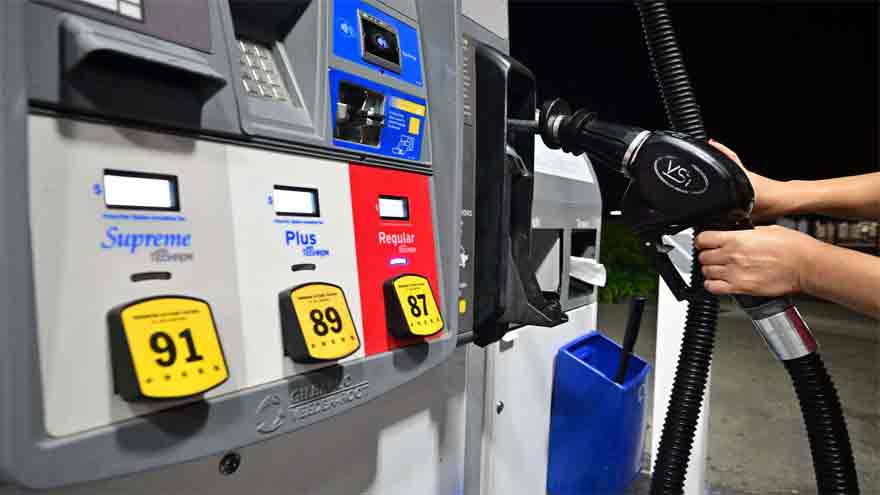
Gasoline prices have stabilized but remain significantly higher than before the conflict. According to AAA, the national average reached $4.34 per gallon, compared with $2.98 before the war. Diesel prices have also remained near record levels, increasing costs for transportation, agriculture and freight services.
A review of AAA data by CNN found that the national average price of gasoline remained at or above $4 per gallon for 165 days this year. That surpassed the previous annual record of 158 days in 2022, when Russia's invasion of Ukraine contributed to a sharp rise in energy prices.
In 2008, gasoline prices exceeded $4 per gallon for 48 days during the summer, before the collapse of Lehman Brothers intensified the global financial crisis.
Airlines Raise Fares and Fees
The increase in fuel prices has also placed pressure on the aviation industry. Higher jet fuel costs have prompted airlines to increase ticket prices, raise baggage fees and reduce some lower-priced or less profitable routes.
Data from the US Bureau of Labor Statistics showed that airfares were 23% higher year over year in August.
Households that rely on heating oil are facing additional costs as well. The US Energy Information Administration expects homes using the fuel to pay approximately 21% more than they did last winter.
President Donald Trump has previously argued that higher gasoline and diesel prices are a necessary trade-off for preventing Iran from obtaining a nuclear weapon.
A White House spokesperson criticized Zandi's economic assessments in comments to CNN, describing him as a Democratic donor who had repeatedly made inaccurate recession predictions. The spokesperson said Trump was acting to prevent Iran from acquiring nuclear weapons.
Zandi previously served as an economic adviser to Republican presidential nominee John McCain in 2008.
Mortgage Rates Reach Nearly Three-Year High
Higher borrowing costs represent another major financial burden associated with the conflict, according to Moody's Analytics.
Rising inflation has contributed to higher interest rates and a sell-off in the bond market, pushing government bond yields upward. These developments have driven average rates on 30-year fixed-rate mortgages to 7.4%, their highest level in nearly three years.
Consumers are also facing increased costs when carrying credit card balances or taking out auto loans.
Moody's estimates that higher interest rates have added approximately $360 to the expenses of a typical household.
The conflict has also created a substantial financial burden for the US government. The Pentagon told lawmakers in September that the war had cost $45.1 billion, according to a previous CNN report citing sources familiar with the matter.
However, the estimate does not include the full cost of repairing damaged US military bases and other facilities in the region, suggesting that the total financial burden could be higher.
Economic Concerns Ahead of Midterm Elections
The rising cost of living is adding to concerns about the health of the US economy as voters prepare for the November midterm elections.
Higher fuel prices, more expensive travel and rising borrowing costs have weakened household budgets, while slower wage growth has limited consumers' ability to absorb additional expenses.
The economic pressure is also reflected in public sentiment. According to a September CNN poll, only 27% of Americans approved of Trump's handling of the economy, while 28% described economic conditions as good.
The figures highlight the financial challenges facing American households as the Iran war continues to affect energy markets, borrowing costs and consumer spending.