


Pakistan to begin selling excess LNG globally from January 1
Business
Pakistan will begin selling surplus LNG internationally from 1 January as reforms, foreign investment and major energy projects reshape the country’s gas and petroleum sector.

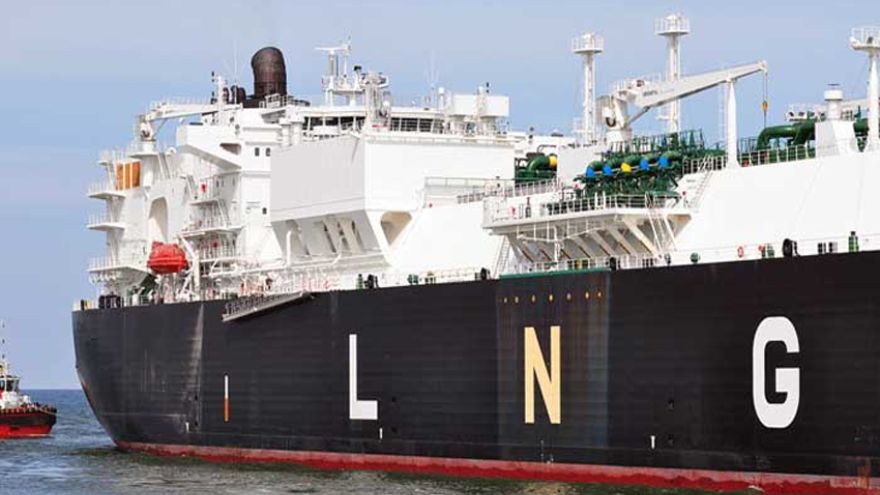
ISLAMABAD (Dunya News) – Pakistan will begin selling its excess liquefied natural gas in international markets from 1 January, Petroleum Minister Ali Pervaiz Malik announced on Sunday.
The minister said the step was prompted by reduced domestic reliance on LNG for power generation, which had created a surplus in the system and increased the financial burden on the gas sector. He added that the diversion of this fuel to household consumers had contributed to circular debt and caused losses of around Rs1,000 billion from 2018-19 to date.
LNG exports
Speaking at a press conference in Lahore, Malik said Pakistan had been importing LNG from Qatar and Italian energy firm Eni, but lower domestic consumption in recent months had prompted the government to explore export opportunities. He confirmed that from January, the excess cargoes would be sold abroad, helping to ease pressure on state-owned enterprises and allowing them to operate at full capacity.
Pakistan cancels 45 LNG cargoes from Qatar and Italy until 2027
The announcement follows earlier reports that Pakistan had moved to cancel 21 long-term cargoes from Eni to curb oversupply. The government has also been in discussions with Qatar about deferring or reselling contracted volumes under agreed clauses.
Sector reforms
The minister highlighted broader reforms undertaken to stabilise the gas network, including the approval by the Economic Coordination Committee for the diversion of 24 LNG cargoes in 2026. These diverted quantities, supplied under a long-term agreement with Qatar, will be sold by the Gulf state in international markets. If sold below Pakistan’s contract price, the differential loss will be recovered from local LNG consumers through an Oil and Gas Regulatory Authority mechanism.
SNGPL and PSO previously estimated that 177 LNG cargoes would be surplus between July 2025 and December 2031. The government expects savings of over Rs1,000 billion through efficient diversion and reduced reliance on imported LNG. Increased domestic gas supply has already helped manage demand, while the settlement of invoices has slowed the growth of the Rs2.6 trillion circular debt.
Foreign investment
Malik said foreign energy firms were expanding their footprint in Pakistan, boosting local exploration activity. Turkey’s energy minister recently visited Islamabad, after which Turkish Petroleum agreed to resume onshore and offshore exploration with Pakistani partners. The company will also open an office in Islamabad employing 10 to 15 Turkish nationals.
A delegation from Azerbaijan’s state oil firm SOCAR is due in Pakistan next week to finalise investment plans. SOCAR is set to open its local office and invest millions of dollars in constructing an oil pipeline from Machike to Thalian alongside PSO and the Frontier Works Organisation, with work expected to begin within six weeks.
He added that OGDC had received Rs82 billion after invoice settlements and was pushing ahead with shale gas exploration, including a pilot project with Turkish firms using horizontal fracking.
Reko Diq progress
Malik said private fundraising of $3.5bn for the Reko Diq mining project had been completed. Combined investment from Pakistani firms and Barrick Gold in the first phase is expected to reach $6bn to $7bn, with the signing ceremony due within two months at the Prime Minister’s House.
