Summary The record levy collection came amid historically high prices of petroleum products following the US-Israel attacks on Iran
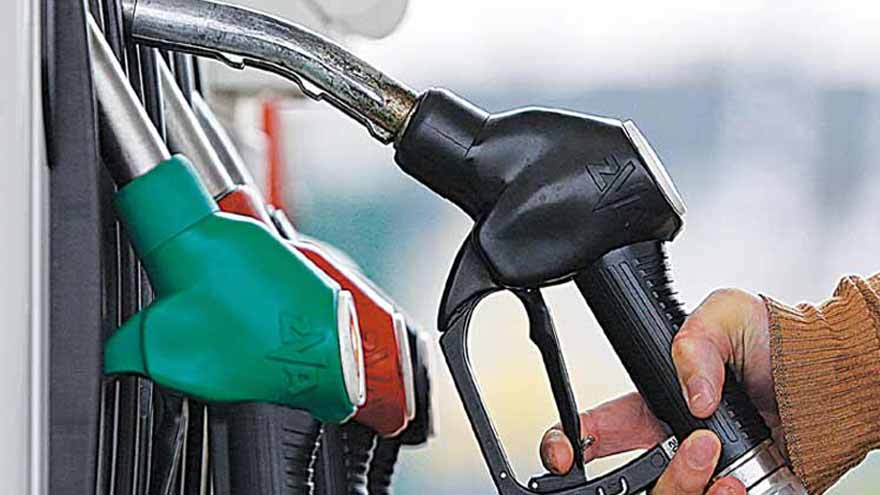
ISLAMABAD (Dunya News) - Pakistan’s petroleum levy collection surged to a record Rs1.567 trillion during the fiscal year 2025-26, helping the government contain its overall fiscal deficit despite higher spending on civil administration and defence.
According to the Finance Ministry’s annual fiscal operations report, petroleum levy revenue increased by 29 per cent from Rs1.22 trillion in the previous fiscal year. The collection also exceeded the original target of Rs1.468 trillion and the revised target of Rs1.498 trillion.
The record levy collection came amid historically high prices of petroleum products following the US-Israel attacks on Iran. The figure does not include customs duty or the Rs26 billion collected through the carbon levy.
For FY27, the government has set a petroleum levy target of Rs1.676 trillion and plans to collect an additional Rs50 billion through a climate levy on petroleum products.
Meanwhile, expenditure on running the civil government rose 16 per cent to Rs1.033 trillion in FY26, crossing the Rs1 trillion mark for the first time despite restructuring and austerity measures.
Defence spending also increased by 18 per cent to Rs2.588 trillion from Rs2.194 trillion a year earlier, although it remained close to the budgeted allocation of Rs2.55 trillion.
The country’s overall fiscal position, however, improved significantly. The fiscal deficit narrowed to 2.6 per cent of GDP, the lowest level since FY03 among years for which comparable data is available.
The primary surplus reached a record 2.9 per cent of GDP, compared with 2.4 per cent in FY25. The improvement was mainly attributed to higher provincial surpluses and lower interest payments.
Combined provincial cash surpluses increased 57 per cent to a record Rs1.45 trillion from Rs921 billion a year earlier. Punjab contributed the largest share at Rs915 billion, followed by Sindh with Rs350 billion, Khyber Pakhtunkhwa with Rs165 billion and Balochistan with Rs20.74 billion.
Interest payments also fell sharply to Rs6.947 trillion from Rs8.887 trillion in FY25, largely due to the reduction in the policy rate from 22 per cent to 10 per cent.
Total government expenditure declined to Rs23.09 trillion from Rs24.16 trillion, while subsidies fell by nearly 22 per cent to Rs1.01 trillion. Development spending also decreased to Rs727 billion from Rs786 billion.
Meanwhile, Federal Board of Revenue collections rose nearly 11 per cent to Rs13.01 trillion but remained around 10 per cent below the target.
The Finance Ministry also reported a record statistical discrepancy of Rs853 billion, compared with Rs329 billion in the previous fiscal year. It attributed the discrepancy to reporting delays, accounting adjustments and changes in commercial bank deposits at both federal and provincial levels.