


Haleji Lake: A sanctuary for native, migratory waterfowl
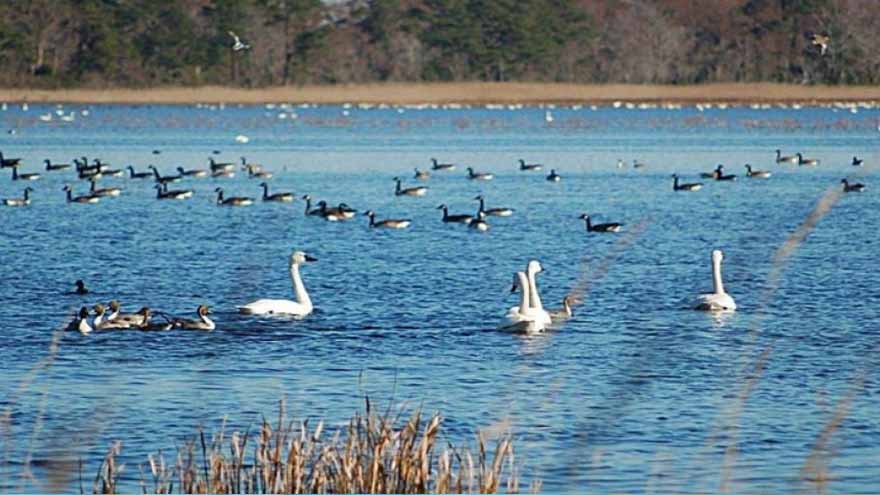
Each year, more than 200 species of birds visit Haleji Lake.

(Web Desk) - Located about 82 kilometres from Karachi and 24 kilometres northwest of Thatta, Haleji Lake is considered one of Asia’s largest bird sanctuaries. The lake holds both national and international ecological significance due to its natural beauty, freshwater reserves, and role as a vital habitat for waterfowl.
Each year, more than 200 species of birds visit Haleji Lake. In the past, over 500 species were recorded, but environmental changes and pollution have led to a decline in both the number and diversity of birds. One major factor has been water contamination, particularly after the supply of water to Karachi shifted from Haleji to Keenjhar Lake, which contributed to the deterioration of Haleji’s ecosystem.
Historical Background
Haleji Lake was developed during World War II when Allied forces stationed in Karachi required a reliable water source. The artificial lake was completed in 1943 and spans approximately 18 square kilometres, with depths ranging from 17 to 30 feet.
Ecological Importance
Over time, Haleji evolved into a balanced ecosystem supporting aquatic plants, fish, and birds. Reeds, grasses, and wetland vegetation provide shelter and breeding grounds for wildlife. Due to its location along the Indus Flyway, the lake attracts thousands of migratory birds each winter from Siberia, Central Asia, and Europe.
Bird species commonly found here include flamingos, pelicans, ducks, herons, egrets, and coots. These birds rely on the lake for food, rest, and in some cases, breeding, making it a critical stopover habitat..jpg)
International Recognition
Haleji Lake has been designated a wetland of international importance under the Ramsar Convention, which was signed in 1971 in Ramsar. This recognition highlights the lake’s ecological value and the need for its conservation.
Environmental Challenges
Despite its importance, Haleji Lake faces multiple threats, including population growth, industrial pollution, illegal hunting, water shortages, and climate change. These factors have disrupted the lake’s natural balance and reduced its capacity to support wildlife.
Although the government and wildlife departments have taken steps to protect the lake, experts stress the need for stronger enforcement and greater public awareness.
A Natural Treasure Worth Protecting
Haleji Lake remains a vital ecological asset for Pakistan. Its rich biodiversity and serene environment make it a unique natural heritage site. Protecting the lake is essential not only for migratory birds but also for preserving the broader ecosystem for future generations.
