Summary The move comes amid reports that Islamabad may host another round of negotiations between Washington and Tehran next week.
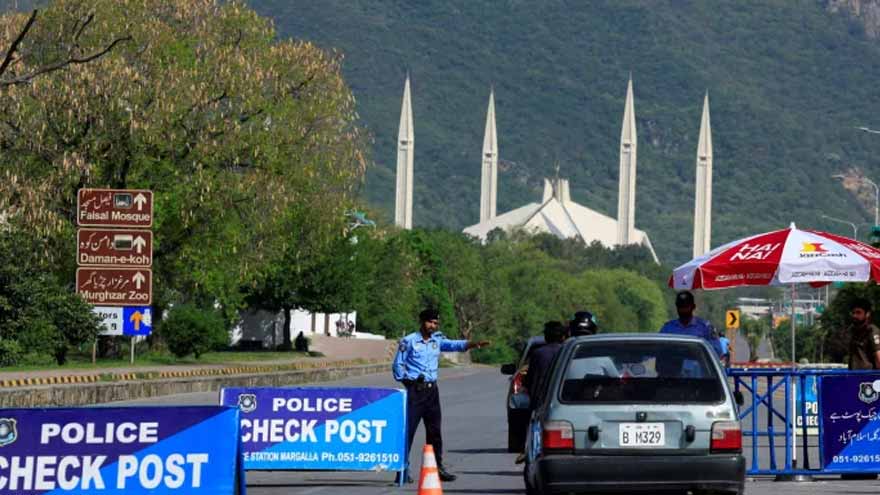
ISLAMABAD (Dunya News) - Authorities in Islamabad and Rawalpindi have suspended public and goods transport services until further notice as security measures are tightened ahead of a potential second round of US-Iran talks.
The deputy commissioner of Islamabad announced the suspension of heavy and public transport across the city, without providing a reason.
ضلعی انتظامیہ اسلام آباد/اہم اعلان
— DC Islamabad (@dcislamabad) April 19, 2026
وفاقی دارالحکومت میں پبلک اور ہیوی ٹرانسپورٹ کے حوالے سے ضلعی انتظامیہ کا اہم اعلان، شہر میں ہیوی ٹرانسپورٹ اور پبلک ٹرانسپورٹ کو تاحکم ثانی معطل کیا جا رہا ہے، شہریوں سے التماس ہے کہ سیکورٹی اداروں کے ساتھ تعاون کریں, شکریہ
A similar directive was issued in Rawalpindi, where all private, public, and goods transport has been halted with immediate effect.
All private, public and goods transport in Rawalpindi is hereby suspended with immediate effect. Further updates will be shared.
— DC Rawalpindi (@DCRawalpindi) April 19, 2026
راولپنڈی میں ہر قسم کی پرائیویٹ، پبلک اور گڈز ٹرانسپورٹ تا حکمِ ثانی معطل رہے گی۔
مزید معلومات سے بروقت آگاہ کیا جائے گا
The move comes amid reports that Islamabad may host another round of negotiations between Washington and Tehran next week, although no official confirmation has been issued by Pakistan, United States, or Iran.
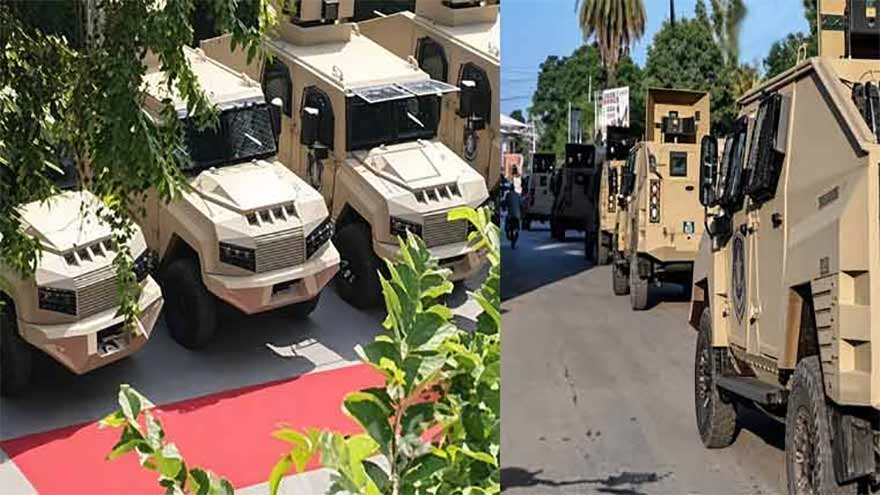
Security in Rawalpindi has been significantly increased on the directives of City Police Officer Syed Khalid Mahmood Hamdani. More than 10,000 police personnel have been deployed across the city, with over 600 checkpoints set up to monitor entry and exit points.
Elite Commandos, snipers, and rapid response units—including the Elite Force and Dolphin Force—are conducting continuous patrols. Authorities have also intensified search, sweep, and intelligence-based operations, keeping a close watch on suspicious activities.
Security has been further strengthened around sensitive installations and key locations, with round-the-clock monitoring through Safe City systems and CCTV surveillance.
US-Iran tensions
The Middle East conflict began on February 28, following a large-scale surprise attack on Iran by the United States and Israel, despite the ongoing negotiations between Washington and Tehran at the time.
The previous meeting in Islamabad was held three days after the Pakistan-brokered ceasefire took effect on April 8. The meeting marked the first direct encounter between American and Iranian officials in more than a decade and the most senior engagement since Iran's 1979 Islamic Revolution.
US Vice President JD Vance and Iranian Parliamentary Speaker Mohammad Baqer Qalibaf led their respective delegations in the last round of talks to work out a slew of issues, including the Strait of Hormuz as well as Iran's nuclear programme and international sanctions on Tehran.