Summary PPP Chairman says transparent polls essential to restoring public confidence
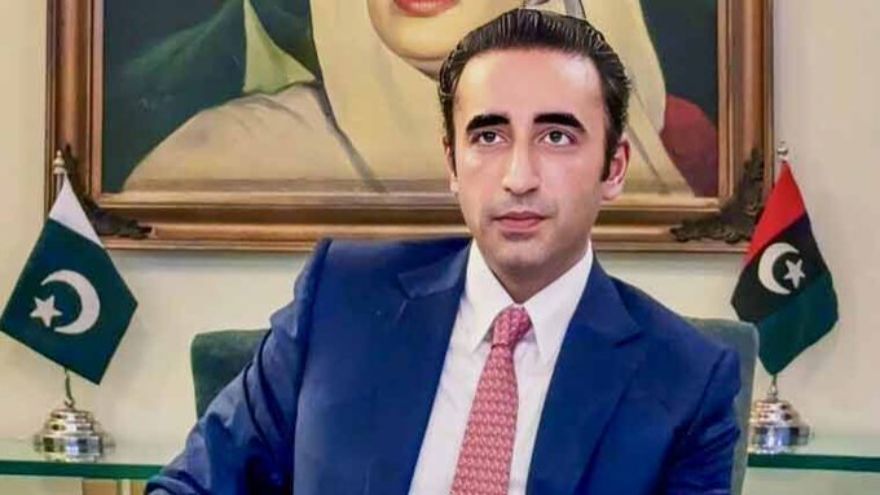
MULTAN (Dunya News) – Pakistan Peoples Party (PPP) Chairman Bilawal Bhutto Zardari has called for a democratic reset of the country's political system, stressing that all stakeholders must be taken into confidence to restore public trust and address growing political divisions.
Addressing a Meet the Press event in Multan, Bilawal said a serious trust deficit existed between the government and opposition, while relations between the PPP and Pakistan Tehreek-e-Insaf (PTI) were also marked by a lack of confidence.
He emphasised that any effort to reset the country's system must take place through democratic means, with political parties and all relevant stakeholders playing their part in the process.
The PPP chairman said the opposition should be included in the electoral reforms committee, arguing that transparent elections were essential to restoring public confidence in the democratic process.
Until free and fair elections are held and people's trust in the electoral system is restored, he said, any election or referendum would remain controversial.
ELECTORAL REFORMS
Bilawal stressed that confidence in the electoral process could not be rebuilt without meaningful reforms and political engagement. He said the opposition's participation in the electoral reforms committee was important to ensuring that the process was considered credible by all sides.
His remarks came amid continued political differences between the government and opposition, with the PPP chairman highlighting the need to bridge divisions through dialogue and democratic procedures.
He also reiterated that all important decisions concerning the country should be made within parliament. Decisions taken outside the parliamentary framework, he warned, would neither carry the same legitimacy nor necessarily serve the country's interests.
Referring to Pakistan's founding, Bilawal recalled that Quaid-e-Azam Muhammad Ali Jinnah had pursued the creation of the country through a democratic struggle rather than taking up arms.
He said the democratic approach adopted during the Pakistan Movement should continue to guide the country's political leadership, particularly when addressing differences and deciding matters of national importance.
ECONOMIC CONCERNS
Turning to the country's economic situation, Bilawal said Pakistan was not currently facing a natural disaster, but people were nevertheless struggling with serious economic difficulties.
Recalling his previous visit to Multan, he said the city had been submerged in floodwater at the time. He had personally witnessed the difficult conditions faced by residents in the aftermath of the disaster, when communities were going through an extremely challenging period.
He praised PPP workers and elected representatives for standing alongside people in Punjab during the floods, saying their support demonstrated the party's commitment to remaining with the public in difficult circumstances.
However, he said the challenges confronting the country had now taken an economic form, with politicians responsible for informing people about the realities on the ground.
The PPP chairman expressed concern that the economic crisis could worsen the country's overall situation rather than bring an improvement in the coming period.
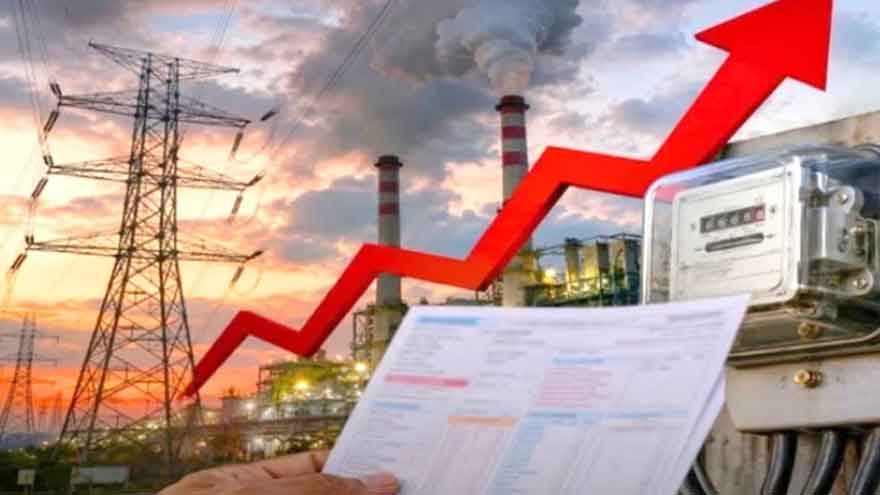
He pointed to persistent inflation, poverty and unemployment, saying rising prices of essential food items, petrol and electricity bills were placing an increasingly heavy burden on households.
The impact of economic pressures was also being felt in the agriculture sector, where farmers were facing difficulties due to expensive diesel and higher prices of DAP fertiliser.
Bilawal said these rising costs were adding to the hardships of an already struggling population, making it important for political leaders to acknowledge the problems faced by ordinary citizens.
He stressed that political differences should not prevent leaders from recognising the economic realities confronting the country and fulfilling their responsibilities towards the public.
MEDIA ACCOUNTABILITY
Speaking about the role of journalists, Bilawal said Pakistan's journalists had historically been a source of strength for the country, using the power of their pens to influence governments and hold those in authority accountable.
He said he was not seeking to bring down any government, but wanted journalists to play an effective role in showing those in power a mirror through independent reporting and constructive criticism.
The PPP chairman said journalists should not simply follow the approach of politicians who continuously praise one another, as such a culture would not contribute to meaningful improvement in governance.
He argued that criticism was necessary to help politicians recognise their shortcomings and make better decisions.
Bilawal urged members of the media to maintain their independent voice and question political leaders rather than becoming part of a culture of mutual praise.
He said effective journalism could help improve political decision-making by ensuring that those holding public office remained aware of people's concerns and were answerable for their actions.