Summary PM Shehbaz Sharif says the Pakistan-Saudi-Turkiye Makkah defence pact is defensive, aimed at collective security, peace and regional prosperity
ISLAMABAD (Web Desk) - Prime Minister Shehbaz Sharif has said the recently signed Makkah Joint Defence Agreement between Pakistan, Saudi Arabia and Turkiye is entirely defensive in nature and is aimed at promoting peace, stability and prosperity in the region.
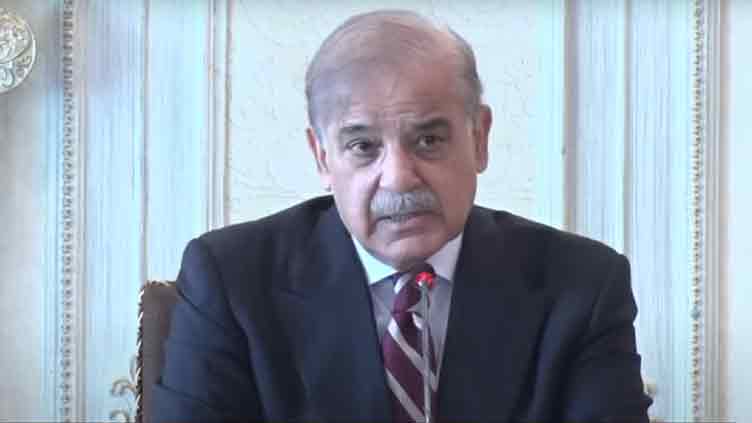
Addressing the federal cabinet, PM Shehbaz recalled that he, Saudi Crown Prince Mohammed bin Salman and Turkish President Recep Tayyip Erdogan signed the trilateral agreement in Makkah on August 7.
The prime minister stressed that the agreement was not intended for aggression against any country. “Its purpose is definitely not that any aggression occurs. It is entirely for defensive purposes, for peace, tranquillity and progress in the region,” he said.
More to read: Pak-Saudi-Turkiye Defence Pact open to regional countries, says Dar
PM Shehbaz said the agreement would serve as a source of strength not only for Pakistan, Saudi Arabia and Turkiye but for the entire Muslim world. He particularly congratulated Deputy Prime Minister and Foreign Minister Ishaq Dar and Chief of Defence Forces Field Marshal Asim Munir on the signing of the pact.
The prime minister said efforts for the trilateral defence agreement had been underway for many years and finally materialised in Makkah. He noted that Pakistan and Saudi Arabia had already signed a Strategic Mutual Defence Agreement in September 2025, while Pakistan and Turkiye had maintained defence and security arrangements for decades.
Recalling Pakistan’s role in the defence of Islam’s holiest sites, PM Shehbaz said Pakistan’s armed forces had historically stood alongside Saudi forces in protecting Makkah and Madina. He said the latest agreement represented a further extension of that longstanding cooperation.
Foreign Minister Ishaq Dar also reiterated that the agreement was defensive in nature and was not directed against any country. He said the provision treating an attack on one signatory as an attack on all three was consistent with the inherent right of individual and collective self-defence under Article 51 of the United Nations Charter.
The 57-member Organisation of Islamic Cooperation has welcomed the agreement as an important strategic step, while Kuwait, Bahrain and Somalia have also expressed support. Iran has likewise responded positively, reiterating its preference for regional security mechanisms based on cooperation among countries in the region.