Summary Interior Minister Mohsin Naqvi accuses KP Chief Minister Sohail Afridi of derailing opposition talks as the government warns against violations during the planned Islamabad march.
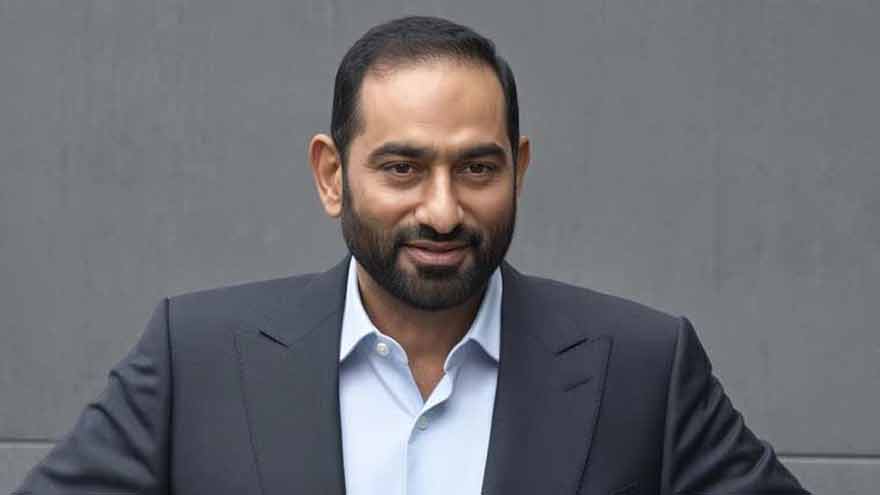
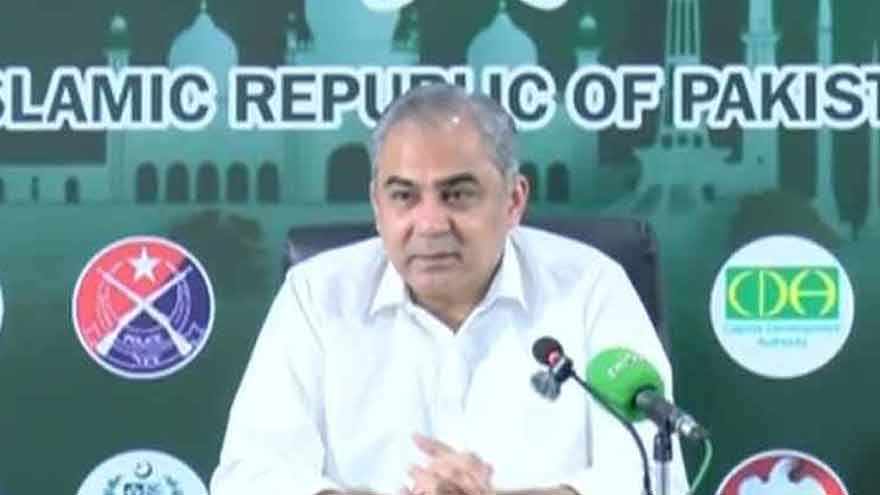
LAHORE (Dunya News) – Interior Minister Mohsin Naqvi has accused Khyber Pakhtunkhwa Chief Minister Sohail Afridi of sabotaging negotiations between the federal government and the opposition, claiming that the two sides had reached agreement on almost all points before the talks collapsed.
He said 99 percent of the proposed agreement had been settled, but changes to the draft and the KP chief minister’s subsequent rejection derailed the process. Naqvi also warned that the government would not allow protesters to march on Islamabad in violation of court orders.
Addressing a press conference in Lahore on Sunday, Naqvi thanked members of the opposition negotiating committee, saying they had participated in the discussions in good faith and that a comprehensive agreement had been prepared.
He said he had presented the draft to the President and briefed Prime Minister Shehbaz Sharif on the developments. However, upon returning from his meeting with the President, he was informed that several changes had been proposed.
“Only one or two issues remained unresolved, while agreement had been reached on 99 per cent of the points,” Naqvi said, adding that the draft had been prepared and revised four times.
The minister alleged that Afridi ultimately rejected the proposed agreement, despite the negotiations having progressed substantially. He questioned why the KP chief minister had not participated directly in the talks if he intended to make the final decisions.
Counterterrorism dispute
Naqvi said the discussions involved two proposed agreements, one covering broader political issues and another focused on counterterrorism. He claimed the KP government had initially agreed to sign a written agreement and submit an implementation plan within 72 hours, but later withdrew its commitments.
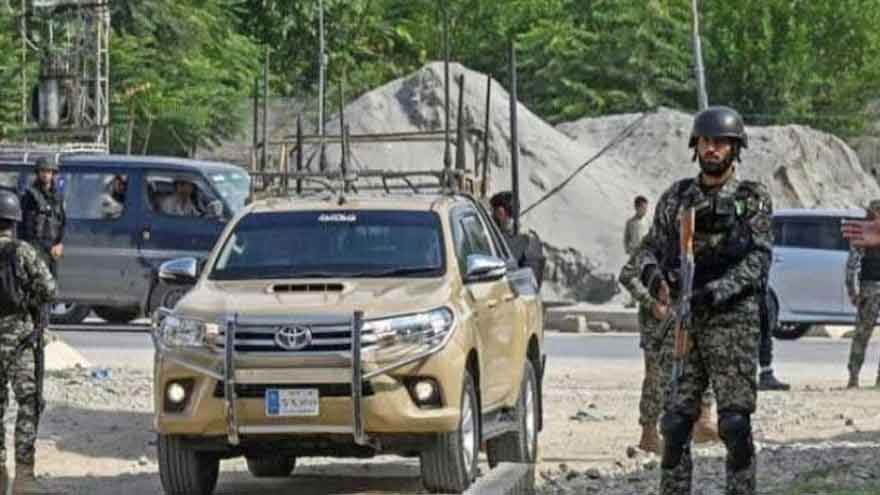
According to Naqvi, the proposed counterterrorism commitments included preventing militant groups from operating freely or establishing safe havens in the province, unequivocally condemning the banned Tehreek-i-Taliban Pakistan (TTP) and other terrorist organisations, and implementing the National Action Plan.
Other points reportedly covered increased funding for police and counterterrorism operations, provincial ownership of security measures, stronger coordination with the armed forces, and policies concerning Afghan refugees and camps in KP.
The minister said the federal government had urged the provincial administration to work jointly against terrorism, stressing that security concerns should not become entangled in political disputes.
The opposition and government delegations held hours of negotiations at Parliament House on Saturday, with discussions continuing into the early hours of Sunday. The meeting failed to produce a breakthrough ahead of the PTI’s planned October 4 march towards Islamabad.
Senate Opposition Leader Allama Raja Nasir Abbas said the deadlock involved access for jailed PTI founder Imran Khan to his personal physicians, alongside disagreements over counterterrorism in KP. Minister of State for Interior Talal Chaudhry separately alleged that the provincial government had failed to provide assurances about future cooperation against militancy.
Islamabad March
Naqvi insisted that the federal government had not asked the opposition to postpone its long march. He said the Pakistan Peoples Party, led by Bilawal Bhutto Zardari, had expressed a desire to delay the demonstration and reduce political tensions.
He warned that the government would not permit any attempt to occupy roads, highways, interchanges, toll plazas or public buildings in Islamabad, referring to an Islamabad High Court order issued on September 14.
“We will not allow a repeat of the May 9 incident under any circumstances,” Naqvi said, adding that the government would seek enforcement of the court’s order.
He also warned that political workers and leaders arrested during protests would face legal proceedings if they violated the law. The minister said the responsibility for any resulting damage would rest with Afridi.
Afridi, meanwhile, published the text of his proposed draft agreement on social media, maintaining that its demands were neither unconstitutional nor illegal. The proposals included political negotiations between the government and opposition, access to medical care and family meetings for Imran Khan and his wife, Bushra Bibi, and progress on pending prisoner appeals where legally possible.
The draft also called for sustained federal-provincial consultations on counterterrorism and a joint strategy for peace and security in KP. Afridi said PTI would announce the cancellation of its long march if the federal government provided written assurances on implementing the proposed measures, while reserving the party’s right to peaceful and lawful protest if those commitments were breached.