Summary The revised Lahore Museum restoration project has been approved at Rs6.59 billion, 50% above its original cost, with completion targeted for June 2030 and UNESCO consultation required.
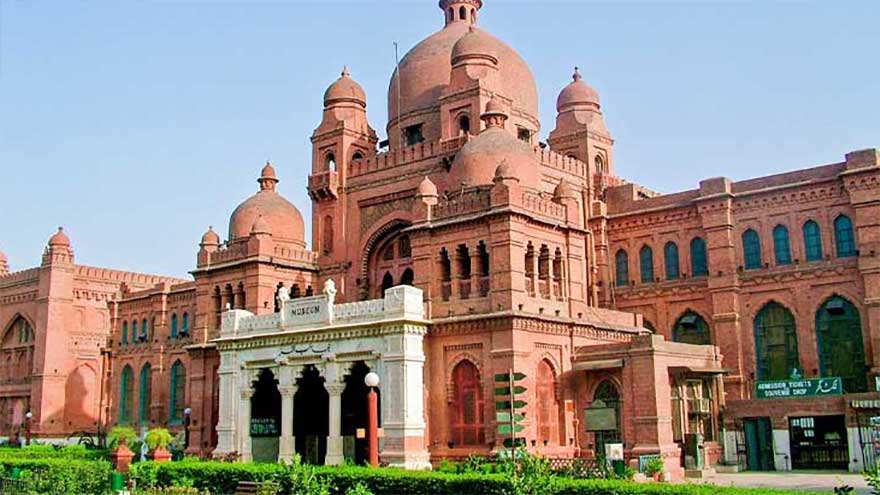
LAHORE (Dunya News) – The revised project for the restoration and upgradation of the Lahore Museum has become significantly more expensive, with its approved cost rising by around 50% to Rs6.59 billion.
The revised scheme, approved after a review of the original project, represents an increase of approximately Rs2.20 billion from the Rs4.39 billion cost approved in September 2025.
The Tourism Department had sought approval for Rs7.02 billion for the revised scheme. Authorities have now approved the project at Rs6.59 billion, with completion targeted for June 2030.
Implementation of the restoration and upgradation project will also require consultation with UNESCO before work begins, according to the revised approval conditions.
Major changes to museum design
Several changes have been introduced to the proposed design following a review of the project. Mezzanine floors originally proposed for the Islamic, Indus and Gandhara galleries have been removed.
According to the Tourism Department, the proposed mezzanine floors were not visually compatible with the proportions and historic character of the museum's 1929 layout.
The decision reflects the emphasis being placed on preserving the architectural character of the historic museum building while carrying out modernisation and visitor-focused improvements.
Around Rs3.28 billion has been allocated for conservation and restoration work on the museum's main building. Another approximately Rs1.07 billion has been earmarked for the construction of new eastern and western blocks.
The revised plan also includes substantial allocations for furniture and project management. Furniture costs have been estimated at around Rs399.1 million, while approximately Rs157.4 million has been allocated for the Project Management Unit.
Consultancy costs come under review
The authorities have also ordered a reassessment of consultancy estimates where allocations exceed the actual expenditure.
Around Rs63 million has been earmarked for museology consultancy, compared with reported actual expenditure of Rs54.2 million. Similarly, Rs100 million has been allocated for museum conservation consultancy, while the reported actual expenditure stands at Rs87 million.
The two consultancy components were therefore carrying approximately Rs21.8 million more than the reported actual costs, prompting directions for the estimates to be corrected.
Officials have also been instructed to review the projected expenditure on imported items, furniture, equipment and consultancy services before further implementation of the project.
Duplication of facilities to be avoided
The revised scheme calls for the removal of unnecessary duplication of furniture, equipment and other facilities between the existing museum building and the proposed new blocks.
Authorities have been directed to examine whether existing government containers can be used or whether certain requirements can instead be met through contractors.
The objective is to control expenditure while ensuring that the upgraded museum has the necessary facilities for visitors, staff and preservation activities.
Four vehicles approved
The project also includes the purchase of four vehicles at an estimated cost of around Rs35.8 million.
The approved vehicles comprise two hybrid cars, one van and an electric cart. In addition, approval has been granted for 13 project-related positions.
Authorities have stressed that the structural stability and preservation of the historic museum building must remain a key consideration throughout the project.
Focus on long-term sustainability
The revised approval also calls for the development of a sustainable business model for the museum's long-term maintenance.
The authorities have been directed to obtain the necessary no-objection certificates from relevant departments and agencies before proceeding with activities requiring regulatory approval.
The Lahore Museum, one of the city's major cultural and historical institutions, is expected to undergo restoration alongside improvements aimed at upgrading its galleries, facilities and visitor experience.
The revised project combines conservation of the historic structure with the development of additional facilities. However, the latest cost review has also resulted in directions to reassess several expenditure items and eliminate potential duplication.
With completion scheduled for June 2030, the project will now move forward subject to the required approvals, consultations and implementation conditions, including UNESCO's input on aspects affecting the historic character of the museum.