Summary Punjab approves Pakistan’s first AI-driven governance system, introducing a fully digital Chief Minister’s Office and centralised data-led administration.
LAHORE (Dunya News) – The provincial government in Punjab has decided to introduce a first-of-its-kind artificial intelligence-based governance system, marking a major shift towards technology-led public administration.
The initiative, approved by Chief Minister Maryam Nawaz Sharif, aims to transition the entire governmental and administrative framework onto advanced AI systems.
As part of the plan, the Chief Minister’s Office will be transformed into the “AI Office of the CM”, making it Pakistan’s first fully AI-driven executive office. The government has also approved the establishment of a state-of-the-art AI Delivery Unit, designed to streamline governance processes and enhance service delivery across departments.
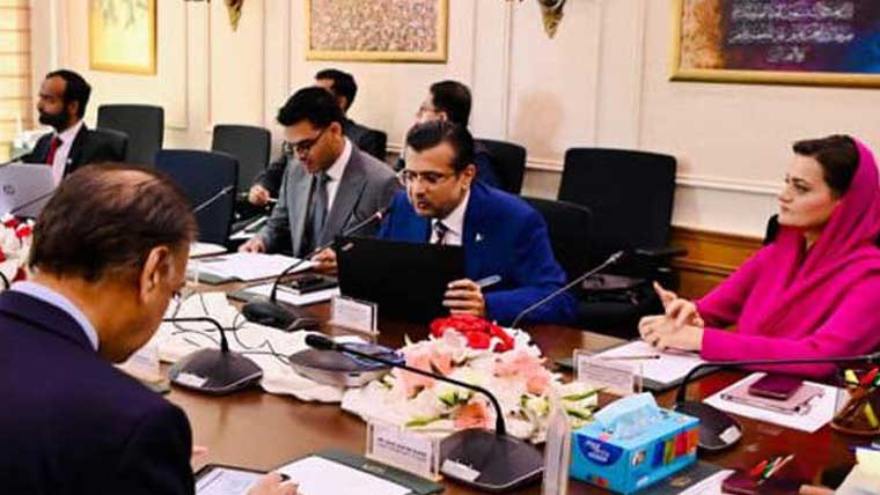
Key decisions were taken during a high-level meeting chaired by Senior Provincial Minister Marriyum Aurangzeb, where progress on the AI Vision 2029 and the “Office of AI Punjab” projects was reviewed. Adviser to the Chief Minister on AI, Ali Dar, provided a comprehensive briefing on the scope and implementation strategy of the initiative.
پنجاب میں جدید طرزِ حکمرانی کا ایک نیا اور انقلابی باب روشن ہونے جا رہا ہے۔ وزیراعلی پنجاب مریم نوازشریف نے پورے حکومتی نظام کو آرٹیفیشل انٹیلیجنس (AI) پر منتقل کرنے کا تاریخی فیصلہ کیا ہے، "اے آئی آفس آف سی ایم" کے قیام سے نہ صرف ڈیٹا کی بنیاد پر شفاف فیصلے ہوں گے بلکہ صحت،… pic.twitter.com/tITshJVTeW
— Marriyum Aurangzeb (@Marriyum_A) March 20, 2026
Officials said the establishment of the Chief Minister’s AI Office would open a new chapter in public service delivery in the region, driven by data-based decision-making and integrated digital systems. The plan also includes the development of physical AI systems and the launch of an AI academy aimed at equipping young people with modern technological skills.
The government intends to deploy data analytics, real-time service delivery mechanisms and smart monitoring tools to improve the speed, transparency and efficiency of governance. All provincial departments will be linked to a central AI unit, forming a comprehensive AI ecosystem designed to enhance coordination and oversight.
Authorities highlighted that advanced technologies are already being utilised in public safety systems. Under the Safe City framework, modern tools and virtual police stations are operational to improve the protection of women and children. Building on these developments, work has begun on drafting a comprehensive AI governance policy for the province under the directives of the chief minister.
The initiative is also expected to gain support from international partners, including the Foreign, Commonwealth & Development Office and other global stakeholders, to accelerate the implementation of a multi-sectoral AI governance model in Punjab.
According to officials, the use of technology will be expanded across critical sectors such as healthcare, education, agriculture, policing and urban management. A detailed roadmap has already been prepared, outlining the creation of AI-based dashboards, central command and control systems, and digital decision-making platforms to support governance at all levels.
Addressing the meeting, Marriyum Aurangzeb emphasised that creating new opportunities for talent development and employment among young people remains a central pillar of the chief minister’s AI vision. She noted that the initiative is expected to transform public service delivery not only in Pakistan but across the wider region.
Officials added that the provincial leadership has already introduced significant changes in governance practices within a short period, and the integration of advanced digital technologies is set to further reshape administrative systems and public engagement.