Summary Pakistan has sought to transition toward cleaner sources of energy such as solar and wind in recent years.
ISLAMABAD (Web Desk) - Pakistani industrial conglomerate Saigol Group and China’s Juhang Energy Technology Group have signed a memorandum of understanding (MoU) which would pave the way for lithium-ion batteries to be manufactured in Pakistan, state media reported on Sunday, as Islamabad shifts to cleaner energy resources.
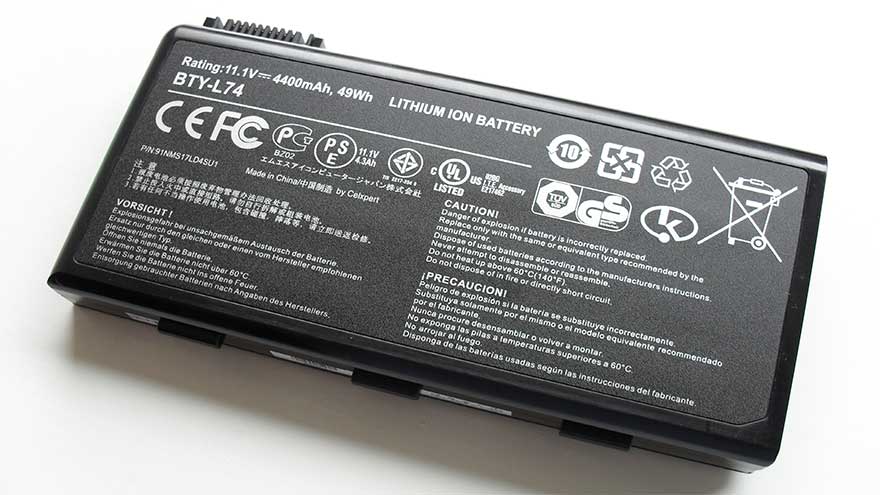
Lithium-ion batteries are used to power devices people use frequently, such as mobile phones, electric vehicles and wearables. These batteries can store energy from renewable resources such as solar, wind, tidal currents, biofuels and hydropower, creating fewer carbon emissions than fossil fuels.
Pakistan has sought to transition toward cleaner sources of energy such as solar and wind in recent years.
Solar power grew from 4 percent of the energy mix in Pakistan in 2021 to over 14–25 percent in 2024-2025, official figures show.
Speaking at the signing ceremony, the prime minister’s aide on industries and production, Haroon Akhtar Khan, said the partnership reflects growing economic ties between Pakistan and China.
“The agreement focuses on the local production of lithium-ion batteries, marking a significant step in the development of Pakistan’s emerging advanced manufacturing and clean energy sector,” state broadcaster Radio Pakistan reported.
The report did not mention where the manufacturing facility in Pakistan will be set up. However, Khan said local production of lithium-ion batteries would help reduce import dependence, create employment opportunities and support industrial self-sufficiency for Pakistan.
He said this was particularly important as Pakistan is eagerly expanding its use of solar energy and other renewable sources, which requires advanced storage systems.
Khan said battery manufacturing represents a key industry of the future, adding that Pakistan is positioning itself to benefit from global technological shifts through partnerships and innovation.
“He also reiterated the government’s commitment to facilitating investors and promoting industrial growth as part of its long-term economic strategy,” the state media added.
Pakistan has sought help from Chinese companies recently as it aims to locally manufacture batteries to reduce dependence on imports.
Last month, the state-run Associated Press of Pakistan (APP) reported that Chinese company Dongjin Group plans to establish a dry battery manufacturing facility in Pakistan’s Faisalabad.
The facility is expected to help Pakistan meet growing demand for batteries, driven by the expansion of electric vehicles and solar energy systems, APP reported.