Summary He said ridership on the Orange Line has increased, while additional routes have been introduced linking Tando Allah Yar, Khairpur, Ranipur and Rohri.
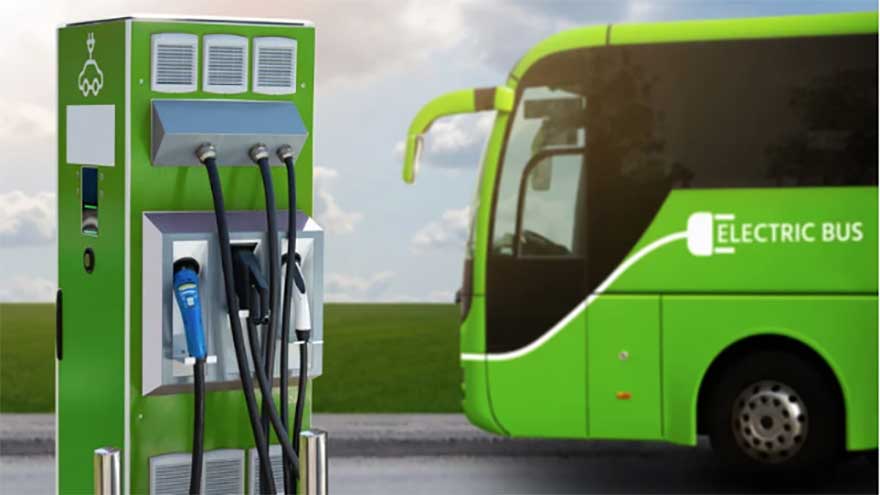
(Web Desk) - The Sindh government has approved the purchase of 500 electric vehicles (EV) buses following a decision by the Policy Board, Sindh Senior Minister and Minister for Information, Transport and Mass Transit Sharjeel Inam Memon informed the Provincial Assembly.
The deployment plan includes multiple urban routes across Karachi, with services set to operate through corridors linking Ittehad Town, Banaras Colony, Liaquatabad, Jahangir Road and Cantt Station.
Additional proposed routes will cover Orangi Ghaziabad, Iqbal Market, Walika, Nazimabad No. 2, Ayesha Manzil and Zahoor Chowk, expanding the city’s public transport coverage to several densely populated localities.
Memon said services are also being extended from Maymar, where a new EV bus route from Gulshan-e-Maymar to Tower was inaugurated on March 17.
He said ridership on the Orange Line has increased, while additional routes have been introduced linking Tando Allah Yar, Khairpur, Ranipur and Rohri.
The minister said electric buses had been introduced in Pakistan for the first time by the Sindh government, adding that the Pakistan Peoples Party-led administration initiated EV-based public transport in the province.
He also highlighted parallel initiatives, including the Pink Bus Service for women and the introduction of Pink Scooties, which he said were aimed at improving women’s mobility and access to transport.
According to him, residents of Gulshan-e-Maymar are already benefiting from EV bus services, while free Pink buses have also been launched in the area along with plans for providing free Pink bikes for women.
Memon added that the EV buses faced logistical delays after being held at the port and noted that unlike other imports taxed at around 1 per cent, the provincial government had to pay an 18 per cent tax on the vehicles.