Summary More than 10,000 US military personnel, more than a dozen warships and dozens of aircraft were enforcing the blockade, according to US military's Central Command
WASHINGTON (Reuters) – No ships have made it past a US naval blockade of Iran's ports and coastal areas, and six merchant ships have followed orders to turn back, the US military said on Tuesday, providing the first details on a day-old effort ordered by President Donald Trump after peace talks between the US and Iran broke down.
The US military has said that the blockade, which started on Monday, would only apply to ships going to or from Iran, including all Iranian ports on the Gulf and Gulf of Oman.
"During the first 24 hours, no ships made it past the US blockade and six merchant vessels complied with direction from US forces to turn around to re-enter an Iranian port on the Gulf of Oman," the US military's Central Command said in the statement.
More than 10,000 U.S. Sailors, Marines, and Airmen along with over a dozen warships and dozens of aircraft are executing the mission to blockade ships entering and departing Iranian ports. During the first 24 hours, no ships made it past the U.S. blockade and 6 merchant vessels… pic.twitter.com/dpWAAknzQp
— U.S. Central Command (@CENTCOM) April 14, 2026
More than 10,000 US military personnel, more than a dozen warships and dozens of aircraft were enforcing the blockade, it said.
"The blockade is being enforced impartially against vessels of all nations entering or departing Iranian ports and coastal areas," the statement added.
In a note sent to seafarers about the blockade on Monday, the US military said: "Any vessel entering or departing the blockaded area without authorization is subject to interception, diversion, and capture."
The Monday note said the blockade would include all of Iran's coastline, but humanitarian shipments including food, medical supplies and other essential goods would be permitted, subject to inspection.
Trump announced the blockade following the breakdown of weekend talks to end the six-week-long war between the US and Iran, sending oil prices back above $100 a barrel.
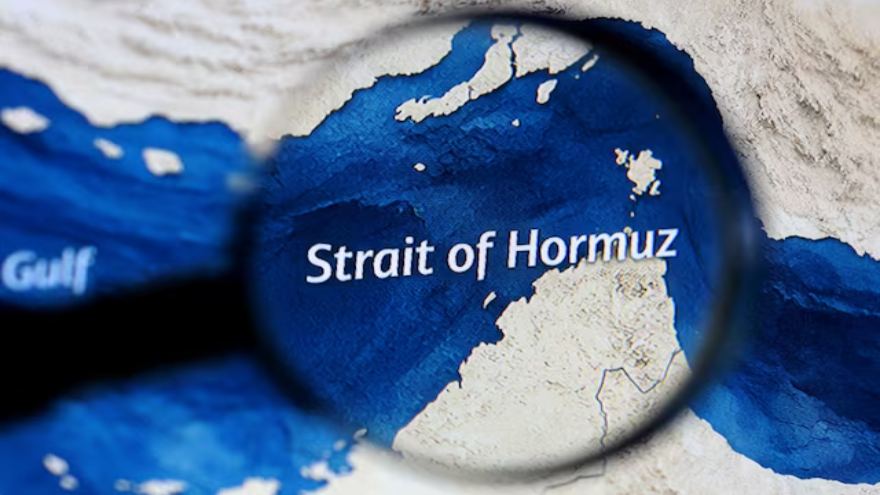
The blockade adds to uncertainty around how ships will transit the crucial waterway, used to move one-fifth of the world's oil and gas supplies.