Summary UNICEF said the findings come as Afghanistan enters its annual peak wasting season, with recent Nutrition Cluster data showing that acute malnutrition has worsened in 26 of the country's 34 provinces
(Web Desk) – Nearly 3.7 million children under the age of five in Afghanistan are at heightened risk of malnutrition due to worsening food and nutrition insecurity, according to a new UNICEF report, which warned that urgent action is needed before the country's annual peak malnutrition season intensifies.
The report, Too Little, Too Late: The Diet Crisis Facing Young Children in Afghanistan, is the first nationwide assessment to measure child malnutrition alongside household food and nutrition insecurity. It documents early warning signs such as reduced dietary diversity, skipped meals, children eating less than they need and, in some cases, going hungry.
UNICEF said the findings come as Afghanistan enters its annual peak wasting season, with recent Nutrition Cluster data showing that acute malnutrition has worsened in 26 of the country's 34 provinces compared with 2025. The deterioration has occurred even before the July-September peak period, signalling an increasingly severe crisis.
Children under the age of two remain the most vulnerable, accounting for 83% of severe acute malnutrition cases and 77% of moderate acute malnutrition cases, according to the report.
"Youth children in Afghanistan are being pushed closer to malnutrition before the peak season has even begun," UNICEF Representative in Afghanistan Dr. Tajudeen Oyewale said. He stressed that declining meal frequency and reduced access to nutritious food are early indicators of a worsening crisis, adding that while treatment saves lives, greater emphasis must be placed on preventing malnutrition through improved diets for young children and pregnant women.
The UN agency said the worsening situation is being driven by a combination of factors, including rising food insecurity, disease outbreaks, low immunisation coverage, inadequate water, sanitation and hygiene services, as well as funding shortages that have disrupted nutrition programmes.
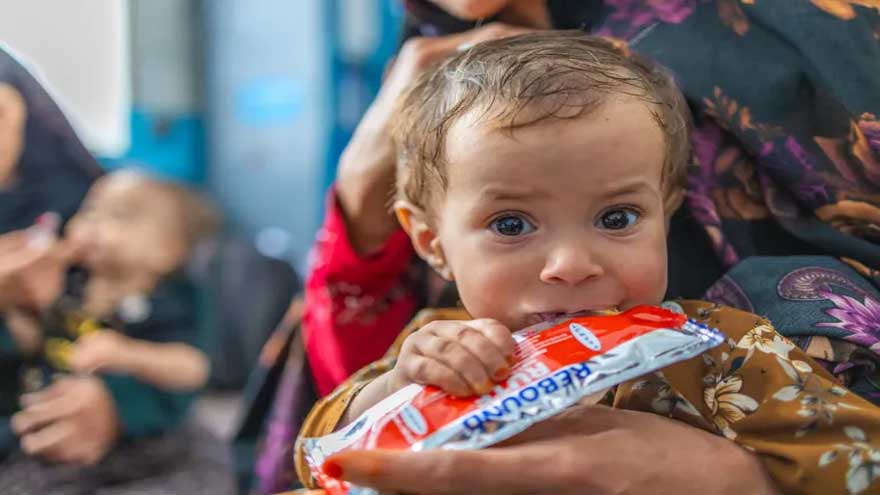
UNICEF warned that children living in severely food-insecure households are up to six times more likely to suffer from wasting during peak malnutrition periods. Wasting, an acute form of malnutrition in which children become dangerously thin for their height, can quickly become fatal without timely treatment.
The agency called for urgent international support to expand preventive nutrition programmes, including its First Foods Initiative, strengthen essential health and nutrition services, and improve access to safe water, sanitation, education and social protection.
With the peak wasting season approaching, UNICEF said the opportunity to prevent a further deterioration is rapidly closing and urged donors to provide flexible funding to help vulnerable families before food insecurity develops into life-threatening malnutrition.