Summary Araghchi said that Tehran remains open to consultations with neighbouring countries on regional security issues
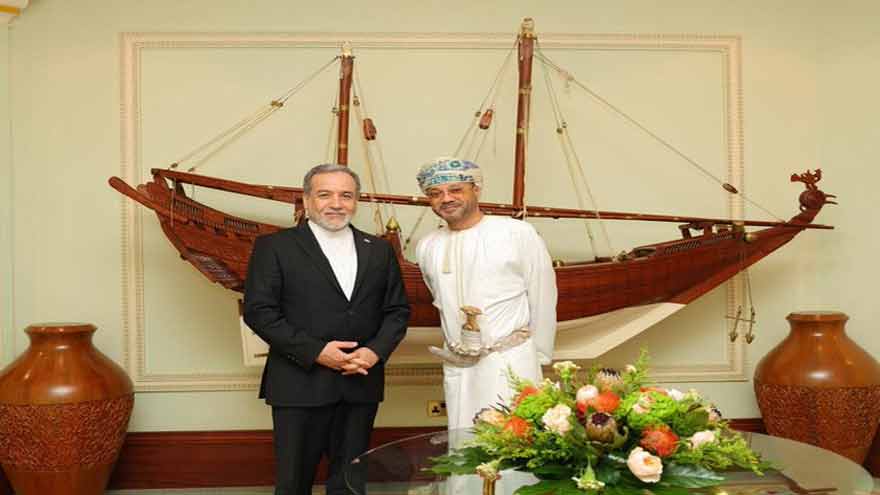
TEHRAN (Dunya News) - Iranian Foreign Minister Abbas Araghchi on Friday held talks with his Omani counterpart Badr Albusaidi to discuss regional security and the future administration of the Strait of Hormuz amid tensions between the United States and Iran.
In a statement shared on X, Araghchi said he conveyed Iran’s solidarity with Oman against “any threat” and stressed the importance of maintaining stability in the strategically vital waterway amid growing geopolitical uncertainty.
The two officials also discussed the management of the Strait of Hormuz in accordance with sovereign responsibilities and international law, as concerns continue to mount over the impact of regional tensions on global energy routes and maritime trade.
Araghchi added that Tehran remains open to consultations with neighbouring countries on regional security issues, signalling continued diplomatic engagement despite heightened friction between Washington and Tehran.
In very productive call with FM @badralbusaidi, expressed Iran's solidarity with Oman in face of any threat.
— Seyed Abbas Araghchi (@araghchi) May 29, 2026
We discussed Hormuz and its future administration in line with our sovereign responsibilities and international law.
We welcome consultation with all neighboring states. pic.twitter.com/MB6EVYNkNn
Meanwhile, US President Donald Trump has circulated a draft peace proposal for the conflict with Iran among allied countries, including Israel, as diplomatic efforts intensify to prevent further ceasefire violations from derailing negotiations, according to a report published by The Guardian on Friday.
The proposed agreement, which closely resembles versions discussed across the Middle East in recent days, includes provisions for reopening the Strait of Hormuz to commercial maritime traffic and ending the US blockade on Iranian ports.
Also Read: Iran expresses deep distrust of US policies amid ongoing tensions
Under the memorandum of understanding, Iran would also regain access to approximately $12 billion (£9 billion) in frozen assets.
According to the report, the plan seeks to restore shipping activity through the strategic waterway to pre-conflict levels within 30 days.