Summary Former Supreme Leader Ayatollah Ali Khamenei, who was killed early in the US-Israeli war against Iran, opposed the development of weapons of mass destruction in a fatwa issued in the early 2000s
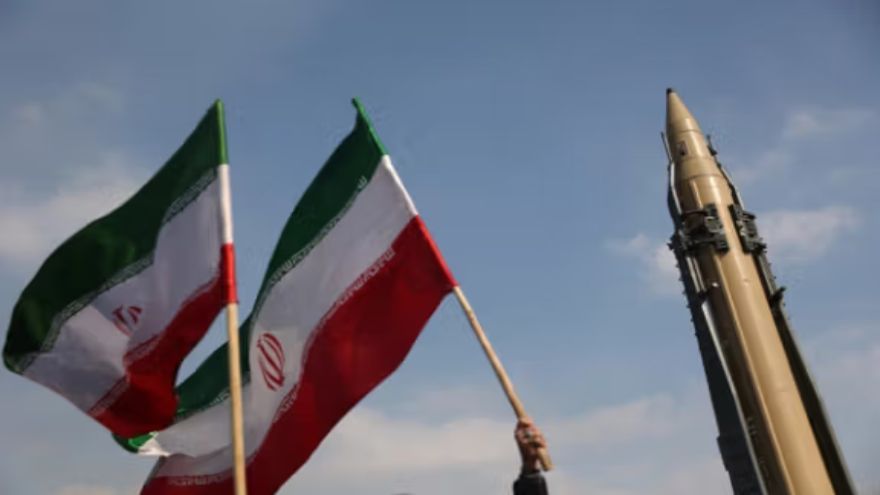
TEHRAN (Reuters) – Iran's stance against the development of nuclear weapons will not significantly change, Foreign Minister Abbas Araqchi told Al Jazeera in remarks relayed by Iranian media on Wednesday, cautioning that the new supreme leader is yet to publicly express his view on the matter.
Former Supreme Leader Ayatollah Ali Khamenei, who was killed early in the US-Israeli war against Iran, opposed the development of weapons of mass destruction in a fatwa, or religious edict, issued in the early 2000s.
Western countries, including the US and Israel, have for years accused Tehran of seeking nuclear weapons, while Iranian authorities have said their nuclear programme is solely for civilian purposes.
Araqchi said fatwas depend on the Islamic jurist issuing them and added he was not yet in a position to judge the jurisprudential or political views of Mojtaba Khamenei, Iran's new supreme leader.
A NEW PROTOCOL FOR THE STRAIT OF HORMUZ
Iran's foreign minister said he believed that after the war comes to an end, countries that border the Gulf should draft a new protocol for the Strait of Hormuz, to ensure that safe passage through the narrow waterway is carried out under certain conditions aligned with Iranian and regional interests.
Iran shut the vital energy gateway, through which a fifth of global oil and liquefied gas passes, saying it "won't even allow a litre of oil" to reach the US, Israel and their partners.
On Tuesday, Iran's parliament speaker tweeted that the Strait of Hormuz' situation won't return to its pre-war conditions.
The US has sought to build a naval coalition to escort vessels navigating the strait, with most NATO allies saying they don't want to get involved in military operations against Iran.
NATO-member France said it would only consider a joint international coalition to secure passage through the strait following a ceasefire and prior negotiations with Tehran.
Araqchi said an end to the war was only conceivable if the conflict is permanently over throughout the region and Iran receives compensation for damages incurred.
STRIKES NEAR URBAN AREAS BLAMED ON US RELOCATION
Asked about Iranian strikes in the Gulf not only targeting US military bases but also impacting residential or commercial areas, Iran's foreign minister said this was because US forces relocated to urban areas.
"Wherever there were American forces gathering, wherever there were facilities belonging to them, they were targeted. It is possible some of these places were near urban areas," the top Iranian diplomat said.
Araqchi acknowledged that regional countries are "upset and their people have been harmed or bothered" by Iranian strikes, but added that the blame lay entirely with the US for starting the war on February 28.