Summary US Department of War confirms over 7,000 strikes on Iran, signalling major escalation as regional tensions surge.
WASHINGTON (Web Desk) – The United States Department of War has outlined what officials describe as the most extensive phase of military operations against Iran to date, marking a sharp escalation in an already volatile regional conflict.
Senior leaders confirmed that thousands of targets have been struck in recent weeks, as Washington intensifies its campaign aimed at dismantling Tehran’s military and nuclear capabilities.
The announcement comes amid heightened tensions following the killing of a senior Iranian figure and a wave of retaliatory attacks across the region.
Pentagon briefing
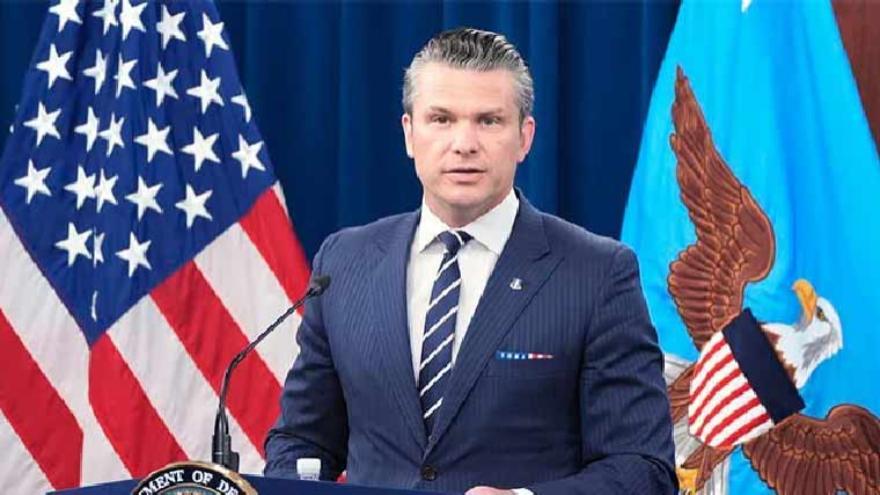
US Secretary of War Pete Hegseth, speaking alongside Chairman of the Joint Chiefs of Staff Dan Caine at the Pentagon, revealed that more than 7,000 targets have been hit since late February under the ongoing military campaign. These strikes have included missile launch sites, drone production facilities and infrastructure linked to Iran’s nuclear programme.
Hegseth described the operation as a sustained application of precision force, stating that each successive wave of strikes has increased in scale and intensity. He indicated that US forces are preparing to launch what he termed the “largest strike package” yet, signalling further escalation in the coming days. According to the Pentagon, Iran’s air defence systems have been significantly degraded, while its capacity to produce and deploy ballistic missiles has been sharply reduced.
Escalation signals
The US defence chief reiterated Washington’s strategic objective of preventing Iran from acquiring nuclear weapons, emphasising that military operations would continue until those goals are achieved. “We will finish this,” he said, adding that the conflict would end on American terms.
Officials also pointed to a reported 90 percent decline in Iranian missile responses, attributing it to the sustained targeting of launch systems and production sites. The reduction in retaliatory capability has been cited as evidence of the campaign’s effectiveness, although sporadic attacks continue to be reported across the region.
The briefing began with Hegseth acknowledging the deaths of six US service members killed in a refuelling aircraft crash over Iraq last week.
Regional fallout
Tensions have further intensified following the death of Ali Larijani, a senior adviser to Supreme Leader Ali Khamenei, who was killed in an airstrike targeting a residence in Tehran earlier this week. His funeral proceedings have coincided with a surge in Iranian retaliation, including the reported use of cluster-warhead missiles targeting Tel Aviv and strikes on energy infrastructure in Gulf states.